

Photo by Age Cymru on Unsplash
Alzheimer’s disease is a brain disorder that gradually affects memory, thinking, judgment, and the ability to handle everyday tasks. It is one of the most common forms of dementia and tends to worsen over time.
Many people search for answers after noticing memory changes in themselves or someone close to them. The most important thing to know is that Alzheimer’s is not defined by occasional forgetfulness alone. It is a progressive condition that can interfere with normal daily life.
What Alzheimer’s disease does to the brain and daily life
Alzheimer’s slowly damages the abilities people rely on every day. Early on, the changes may seem mild. Over time, they can affect how a person remembers information, solves problems, makes decisions, and manages basic routines.
As the disease advances, a person may need increasing support with tasks that once felt automatic.
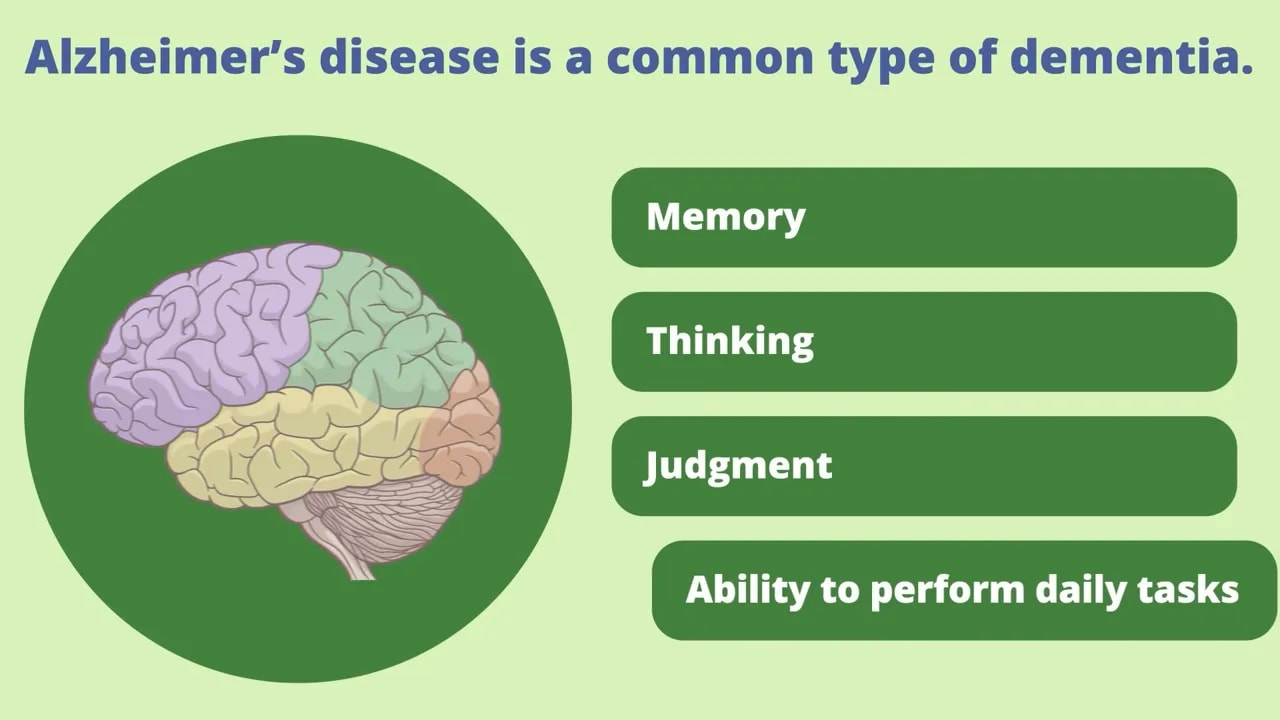
Memory: trouble remembering recent information or events
Thinking: difficulty following information or working through problems
Judgment: reduced ability to make sound decisions
Daily function: growing difficulty with regular tasks at home or in the community
What causes Alzheimer’s disease?
Researchers are still working to fully understand what causes Alzheimer’s disease. Current evidence suggests that several factors may contribute rather than one single cause.
Factors linked to Alzheimer’s include:
Age-related changes in the brain, such as shrinking in certain areas
Inflammation
Damage to blood vessels
Changes in how brain cells produce energy
Gene variations passed through families
Environment and lifestyle
Health conditions, including high blood pressure

This means Alzheimer’s risk can reflect a mix of biology, aging, medical history, and life circumstances.
Early signs and symptoms of Alzheimer’s disease
Symptoms differ from person to person, but early changes often show up in ways that disrupt normal routines rather than simply causing occasional forgetfulness.
Common early-stage symptoms can include:
Difficulty remembering things
Repeating the same questions
Trouble paying bills or working with numbers
Getting lost on familiar routes
Losing items or putting them in unusual places
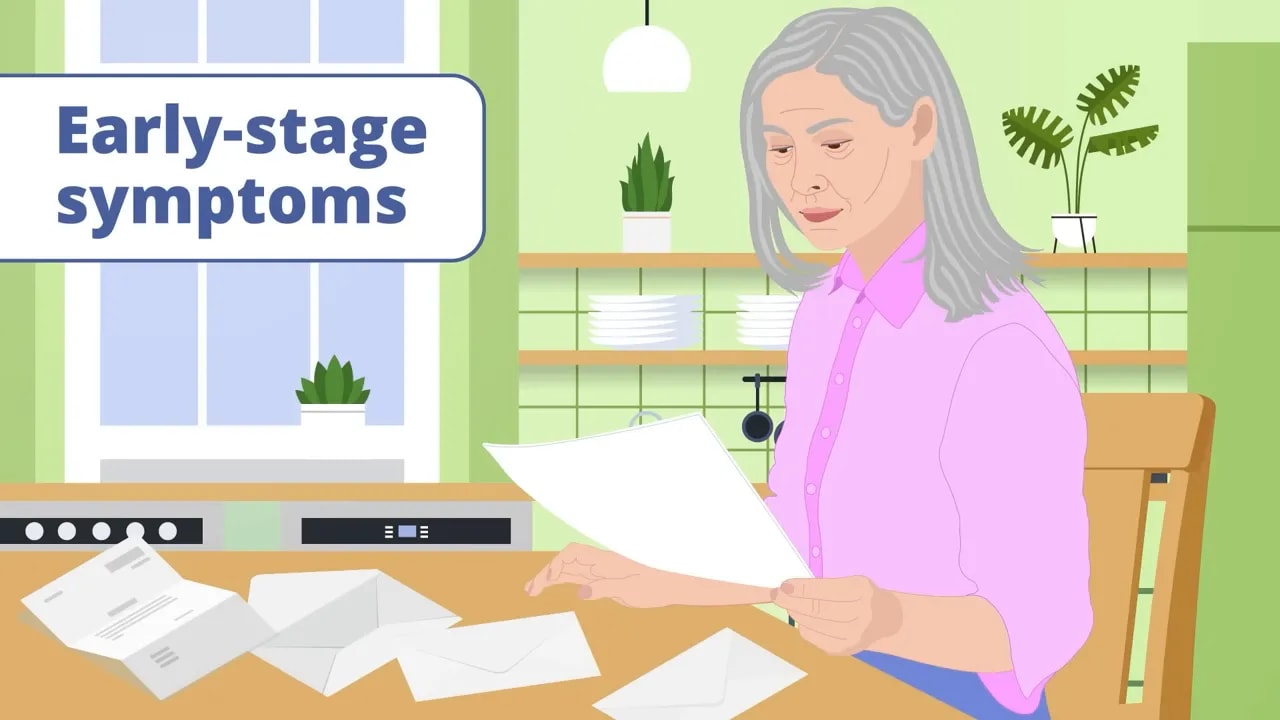
These signs matter most when they become persistent and start affecting independence, finances, safety, or regular responsibilities.
How symptoms change as Alzheimer’s progresses
Middle-stage symptoms
As Alzheimer’s worsens, daily life usually becomes harder to manage without help. A person may begin to lose skills they used to handle on their own.
Possible middle-stage symptoms include:
Forgetting how to do familiar tasks such as brushing teeth or combing hair
Difficulty recognizing family members or friends
Emotional outbursts
Late-stage symptoms
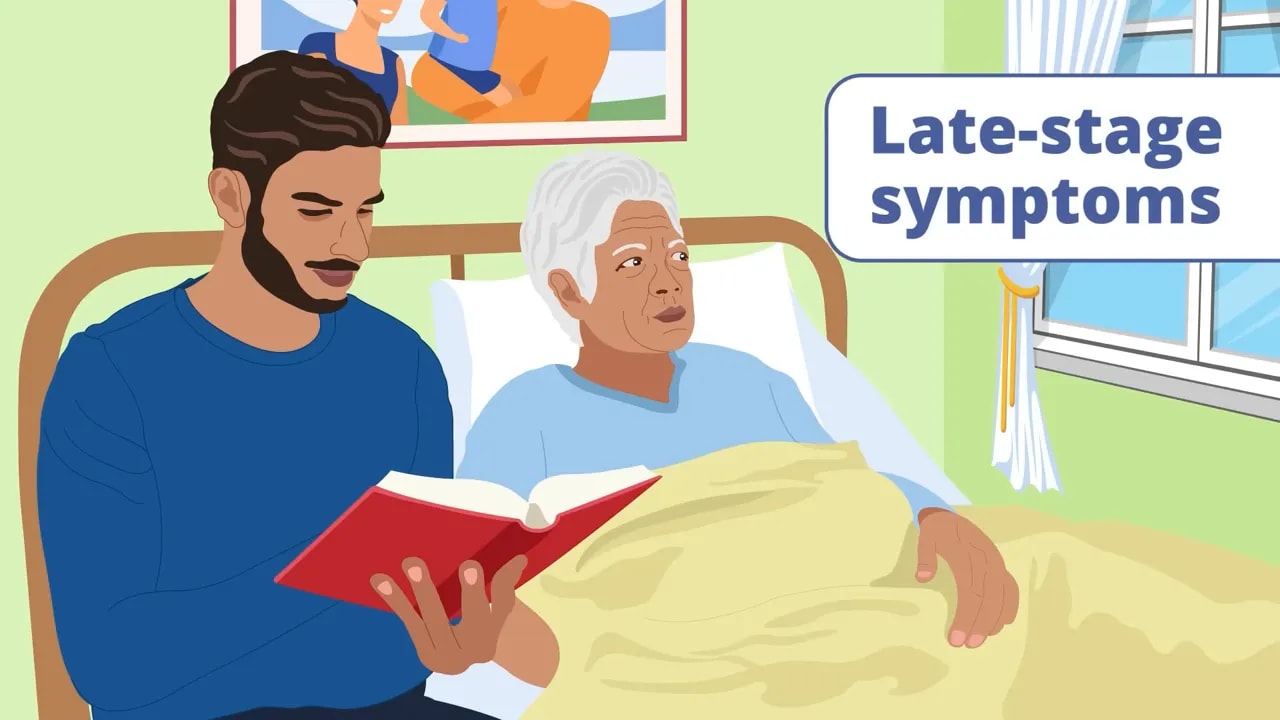
In later stages, the person often becomes fully dependent on others for care.
Late-stage changes may include:
Spending all or most of the time in bed
Being unable to communicate
Having little or no awareness of recent experiences or surroundings
When to see a doctor for memory problems
If memory or thinking problems are interfering with normal routines, it is time to speak with a doctor. Early evaluation matters because it can help identify the cause and give families more time to plan treatment, care, and support.
Not all memory problems are Alzheimer’s disease. Some causes may be related to medications, mental health conditions, head injuries, or other medical issues. A medical assessment is important because some of these problems may need a different approach.
How Alzheimer’s disease is diagnosed
There is no single basic office question that confirms Alzheimer’s. Diagnosis usually involves several steps to understand symptoms and rule out other causes.
A doctor may:
Ask about personal health history and family history
Use memory and thinking tests
Perform a physical exam
Order laboratory tests
Refer the person to a neurologist or another brain specialist
Use brain scans or spinal fluid tests when needed
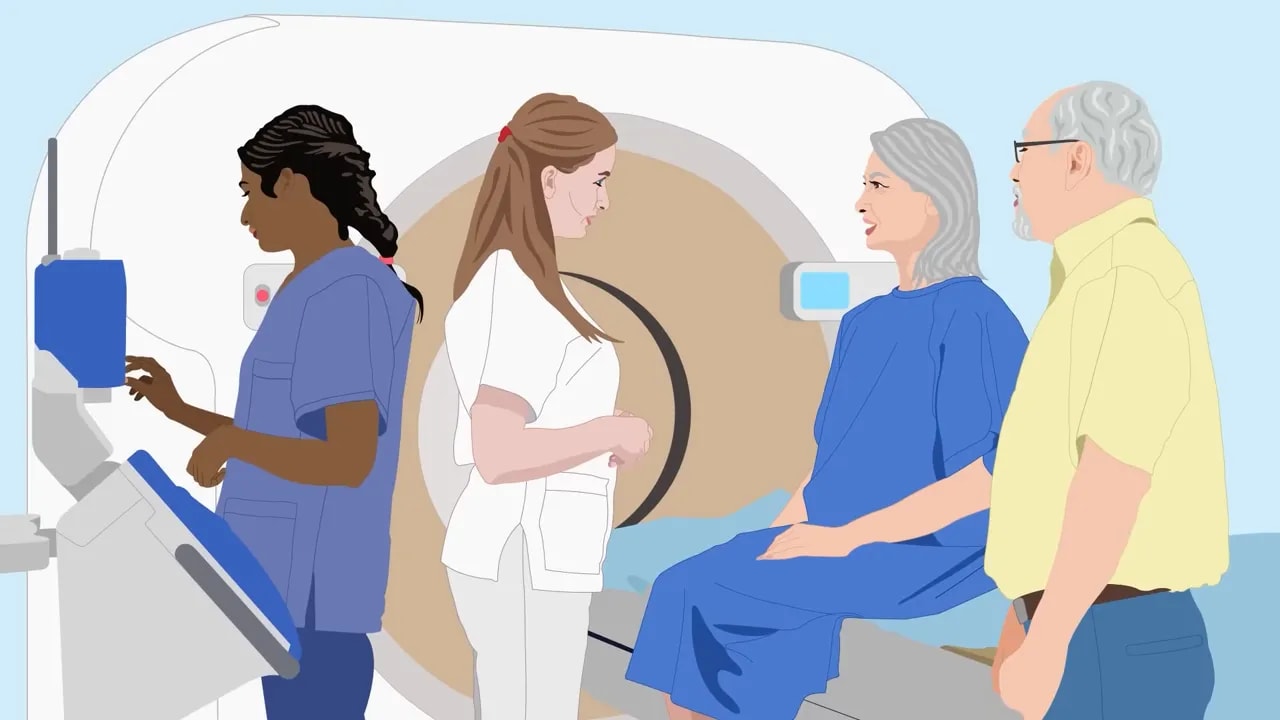
The goal is not only to identify Alzheimer’s, but also to rule out other possible reasons for memory loss.
Can Alzheimer’s be cured?
At this time, there is no cure for Alzheimer’s disease. However, treatment options are available and continue to evolve.
Care often focuses on two broad goals:
Slowing disease progression when possible
Managing symptoms and supporting daily life
How Alzheimer’s disease is treated and managed
Treatment may include medications as well as non-drug approaches.
Medications
Medications may help with symptom management and may also be used to address the progression of the disease. The exact treatment plan depends on the individual and should be discussed with a healthcare professional.
Lifestyle strategies
Everyday habits can also help manage the disease. Examples mentioned in the source material include:
Staying physically active
Sticking to a routine
These steps do not cure Alzheimer’s, but they may help support function and day to day stability.
Common mistakes and misconceptions
Assuming memory loss is always normal aging: routine age-related forgetfulness and Alzheimer’s are not the same, especially when symptoms disrupt daily life.
Waiting too long to seek help: early diagnosis gives more time for planning and treatment decisions.
Thinking there is no point in evaluation because there is no cure: diagnosis still matters for care planning, symptom management, and ruling out other causes.
Believing symptoms are identical in everyone: Alzheimer’s symptoms vary from person to person and change over time.
Why early diagnosis matters
Getting an evaluation early can help with practical decisions that become harder later. It gives individuals and families more time to understand the condition, discuss care needs, and make informed treatment choices.
It can also help connect people to appropriate medical specialists and support resources sooner.
Clinical research and why people participate
People with Alzheimer’s, caregivers, and healthy volunteers may choose to participate in clinical research. Research helps scientists work toward better ways to treat and prevent the disease.
Participation may also help people:
Learn more about their condition
Contribute to future discoveries
Connect with resources such as support groups
Quick answers to common questions
Is Alzheimer’s the same as dementia?
No. Alzheimer’s disease is a common type of dementia.
What is often the first sign of Alzheimer’s?
Early signs can include trouble remembering things, repeating questions, or struggling with tasks like paying bills and following familiar routes.
Does Alzheimer’s get worse over time?
Yes. It is a progressive disease, which means symptoms change and usually worsen over time.
Can doctors rule out other causes of memory problems?
Yes. Diagnosis often includes testing and medical review to rule out causes such as certain medicines, mental health issues, head injuries, or other health problems.
Key takeaway
Alzheimer’s disease is a progressive brain disorder that affects memory, thinking, judgment, and daily functioning. While there is currently no cure, early diagnosis, appropriate treatment, lifestyle support, and access to resources can make a meaningful difference in care planning and symptom management.
If memory changes are starting to interfere with normal life, a medical evaluation is an important next step.