
Photo by Joshua Chehov on Unsplash
When you are checking vital signs at home, the biggest question is usually simple: Is this number normal?
Vital signs can give early clues about circulation, breathing, body temperature, and overall stability. They are especially useful when caring for an older adult or someone who is bed bound. The key is not only knowing textbook ranges, but also knowing when a sudden change deserves attention.
This guide explains the common vital signs, normal ranges for adults and seniors, what variations can still be okay, and when it is time to contact a medical professional.
What are vital signs?
Vital signs are basic body measurements that help show how well essential functions are working.
The main vital signs are:
- Temperature, which reflects body heat
- Pulse or heart rate, which shows how many times the heart beats per minute
- Respiratory rate, which is the number of breaths per minute
- Blood pressure, which reflects the force of blood against artery walls
Many clinicians also treat pain as a fifth vital sign because it can affect the other numbers. Oxygen saturation, often measured with a pulse oximeter, is also commonly checked at home.
Normal vital signs for adults and older adults
These ranges are useful starting points, but they are not rigid rules for every person.
Normal temperature
A typical temperature range is 97°F to 99°F.
Older adults often run cooler. For some seniors, a temperature around 96.5°F may still be normal.
Normal pulse or heart rate
A usual resting pulse is 60 to 100 beats per minute.
Very fit people may normally be in the 50s. Some individuals may have a usual baseline outside the general range, so symptoms and personal history matter.
Normal respiratory rate
A normal breathing rate is usually 12 to 20 breaths per minute.
For some bed bound adults, 10 to 12 breaths per minute may be normal.
Normal blood pressure
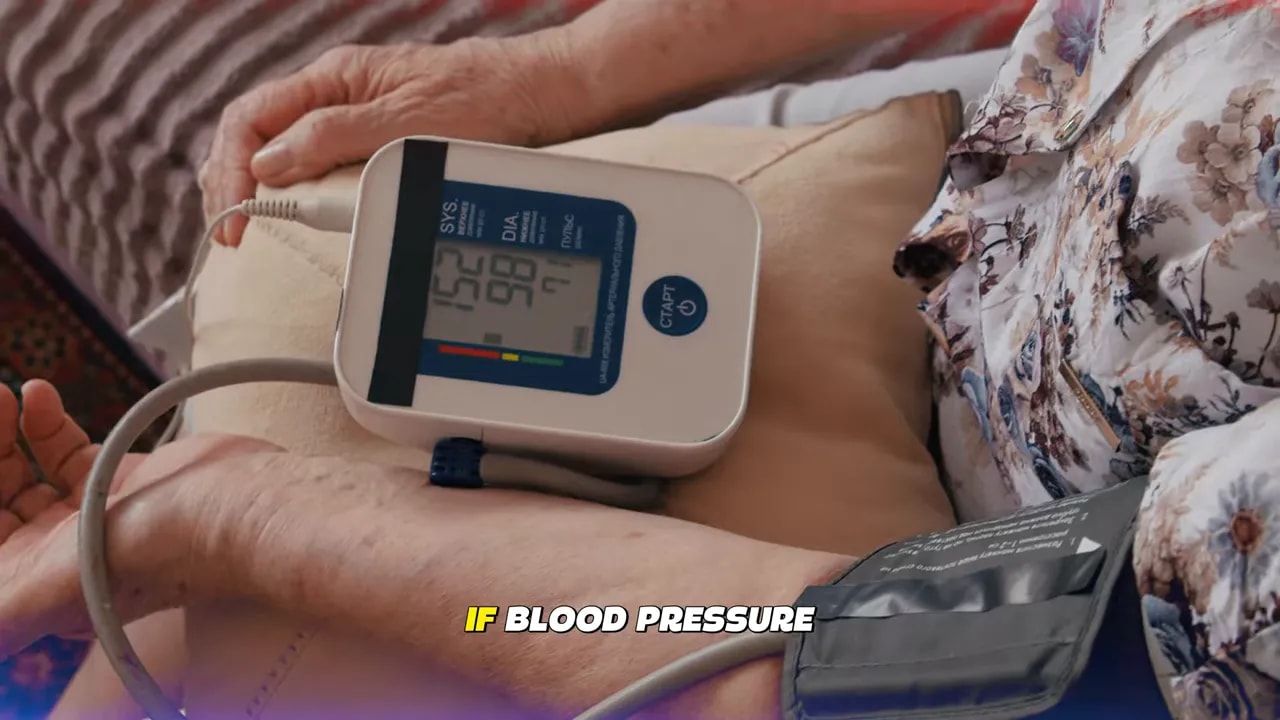
A commonly cited healthy blood pressure is around 120/80.
Some older adults may normally run lower, around 100/60.
Normal oxygen saturation
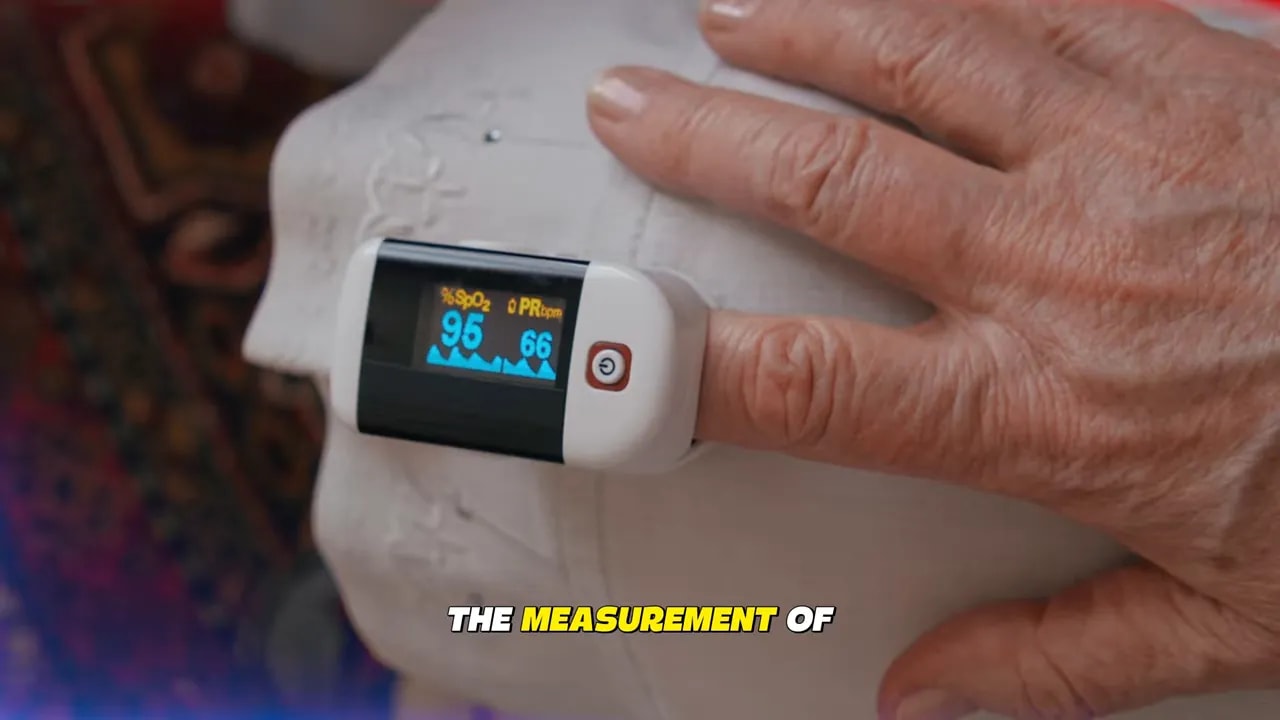
On room air, normal oxygen saturation is usually 95% to 100%.
For some bed bound patients, levels in the lower 90s may be their usual baseline.
Why normal is not always the same for everyone
Vital signs vary from person to person. A number that looks alarming on paper may be normal for a specific individual, while a small change from baseline may be the real warning sign.
Normal differences can be related to:
- Body type
- Activity level
- Stress tolerance
- Foods and drinks
- Weather changes
One example is pulse rate. A low pulse may be a concern in many situations, but some people normally live in that range and feel fine. That is why it is so important to know the person’s usual normal, not just the textbook number.
When to worry about vital signs
Single numbers matter, but sudden changes matter even more. A spike, a drop, or a new symptom can signal a problem even before the numbers become extreme.
Temperature red flags
A sudden rise of 2°F deserves attention, especially if it happens with:
- Chills
- Confusion
Pulse red flags
Call a medical professional if there is:
- A sudden drop below 50 beats per minute
- A spike above 100 beats per minute without a clear reason
Blood pressure red flags
Blood pressure needs attention if it is:
- Below 90/60 with dizziness or other behavioral changes
- Above 140/90
Breathing and oxygen red flags
Contact a medical professional right away if:
- Respiratory rate is 24 breaths per minute or higher
- Oxygen saturation drops below 95%, especially with fast breathing
Symptoms that should never be ignored
Do not ignore sudden vital sign changes that come with:
- Confusion
- Shortness of breath
- Dizziness
- Chest pain
How to count respiratory rate at home
Respiratory rate is one of the easiest vital signs to miss, but it can be very important.
To check it:
- Watch the chest rise and fall.
- Count each breath for one full minute.
- Write the number down.
If the breathing rate reaches 24 or more per minute, especially with lower oxygen levels, it needs prompt attention.
Why pain affects vital signs
Pain is not always listed with the classic four vital signs, but it can affect nearly all of them.
When pain increases, it can raise:
- Pulse
- Blood pressure
In older adults, a pain level of zero may not be realistic all the time. Many people live with chronic discomfort. What matters most is tracking the person’s usual pain pattern and noticing changes from that pattern.
Common mistakes when checking vitals at home
- Comparing every reading only to textbook ranges instead of the person’s baseline
- Ignoring sudden changes because the number still looks close to normal
- Checking at random times and then trying to compare the results
- Not writing readings down, which makes it harder to spot trends
- Waiting for numbers to get worse even when the person clearly seems different
Best way to track vital signs for a loved one at home
Tracking is often more useful than a single isolated reading.
Use these habits:
- Check vitals at the same time of day for better consistency
- Learn the person’s usual normal
- Record every reading in a notebook or phone app
- Look for trends, not just one-off numbers
Written records can also help a medical professional understand whether a change is new, gradual, or part of a longer pattern.
Quick reference chart
- Temperature: usually 97°F to 99°F, with some seniors around 96.5°F
- Pulse: usually 60 to 100 beats per minute
- Respirations: usually 12 to 20 per minute, sometimes 10 to 12 if bed bound
- Blood pressure: often around 120/80, with some older adults around 100/60
- Oxygen saturation: usually 95% to 100%, though some bed bound adults may be in the low 90s
Frequently asked questions
Is 96.5°F normal for an elderly person?
It can be. Older adults often run cooler than younger adults, and around 96.5°F may be normal for some seniors.
Is a pulse under 60 always dangerous?
No. Some healthy or very fit people normally have a pulse in the 50s. What matters is whether the reading is usual for that person and whether symptoms are present.
What oxygen level is too low at home?
According to the ranges given here, below 95% deserves prompt attention, especially if breathing is faster than usual. Some bed bound individuals may have a lower baseline, so personal normal still matters.
What blood pressure is too low for an older adult?
Below 90/60 with dizziness or behavioral changes needs medical attention.
What matters more, the exact number or a sudden change?
Both matter, but sudden changes are especially important. A noticeable change from baseline may signal a problem even if the reading is not dramatically abnormal yet.
Practical takeaway
The safest approach is simple:
- Know the standard ranges
- Know the person’s personal baseline
- Watch for sudden spikes, drops, or symptoms
- Trust your judgment if something seems off
If a person looks unwell, seems confused, has trouble breathing, feels dizzy, or has chest pain, do not wait for the numbers to become more dramatic before seeking help.