
Photo by Vlad Sargu on Unsplash
Staying engaged matters at every age, but it becomes especially important for older adults. The right activities can support physical health, mental sharpness, mood, sleep, and social connection. They can also help reduce isolation and make daily life feel more meaningful.
If you are looking for activities for seniors, the best options are the ones that match a person’s interests, abilities, and comfort level. That includes ideas for older adults with limited mobility as well as those experiencing cognitive decline.
Why activities are important for seniors
Regular engagement does more than fill time. It can play a meaningful role in overall well-being.
Physical benefits: movement-based activities can help older adults stay more active.
Mental benefits: reading, puzzles, and memory-based activities can encourage cognitive engagement.
Emotional benefits: enjoyable hobbies and social interaction can lift mood and ease anxiety.
Social benefits: shared activities help reduce chronic isolation and promote companionship.
The goal is not to keep someone busy for the sake of being busy. It is to help them stay connected to interests, routines, and people that improve quality of life.
How to choose the right activity
Not every senior will enjoy the same thing, and not every activity will fit the same physical or cognitive needs. A good starting point is to focus on three things:
Familiarity: hobbies they have always enjoyed are often the easiest to return to.
Adaptability: activities should fit current mobility, stamina, and comfort level.
Enjoyment: if the activity feels frustrating or forced, it is less likely to help.
Older adults may no longer participate in everything they did years ago, but that does not mean they have to give up meaningful hobbies. Many activities can be modified.
Activities for seniors with limited mobility
Limited mobility does not prevent an older adult from staying mentally active, socially connected, or creatively engaged. Many excellent options can be done seated or at home.
Reading
Reading offers both enjoyment and cognitive stimulation. It can open the door to learning, imagination, and conversation. Books can also help seniors explore new topics, revisit favorite periods in history, or simply relax with a familiar genre.
If traditional books are difficult to manage, there are accessible alternatives:
E-readers with adjustable text size
Audiobooks for those with vision concerns
Shared reading with a family member or companion

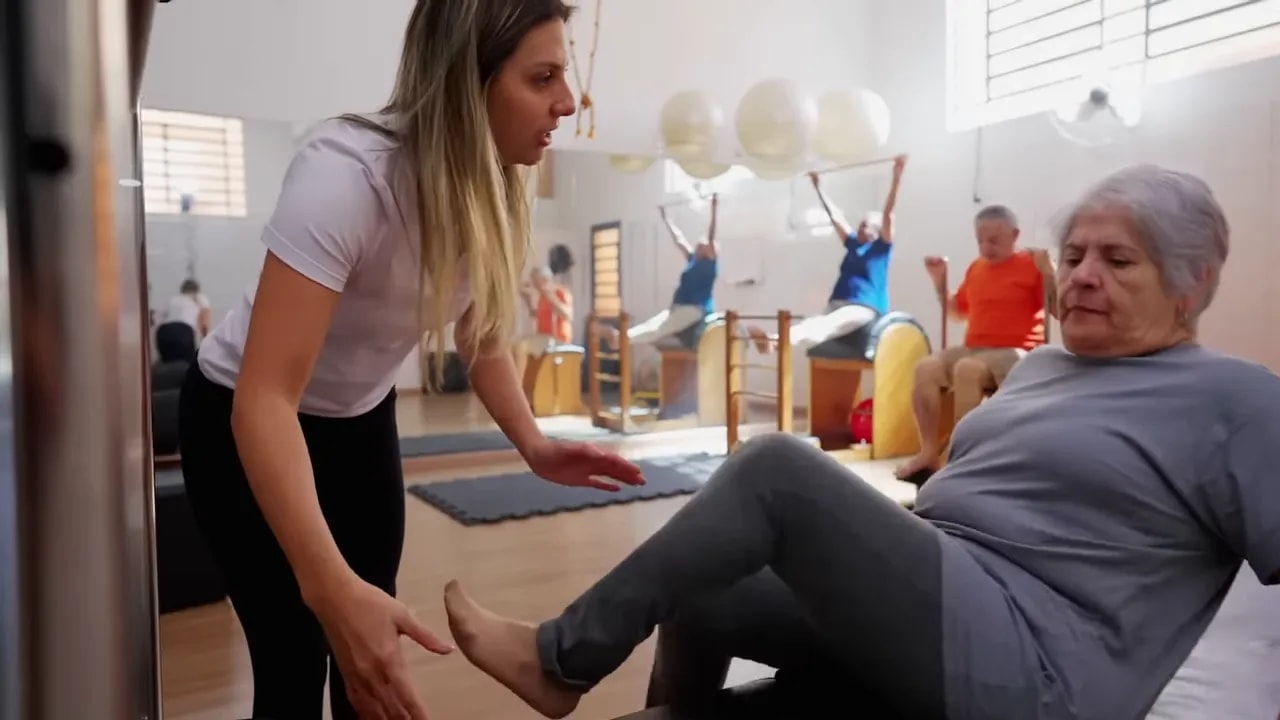
Group exercise adapted for older adults
Exercise does not need to mean intense workouts. Many fitness programs are designed specifically for seniors with mobility concerns.
Examples include:
Chair yoga
Pilates
Tai chi
Rhythmic drumming
Calisthenics
These options can make movement safer and more approachable while still encouraging routine activity. If travel is difficult, virtual group classes or online exercise videos can be done at home with support from a loved one or caregiver.
Creative pursuits
Creative activities help seniors express themselves and stay engaged in a satisfying way. They also offer a sense of accomplishment.
Good options include:
Painting
Knitting
Crocheting
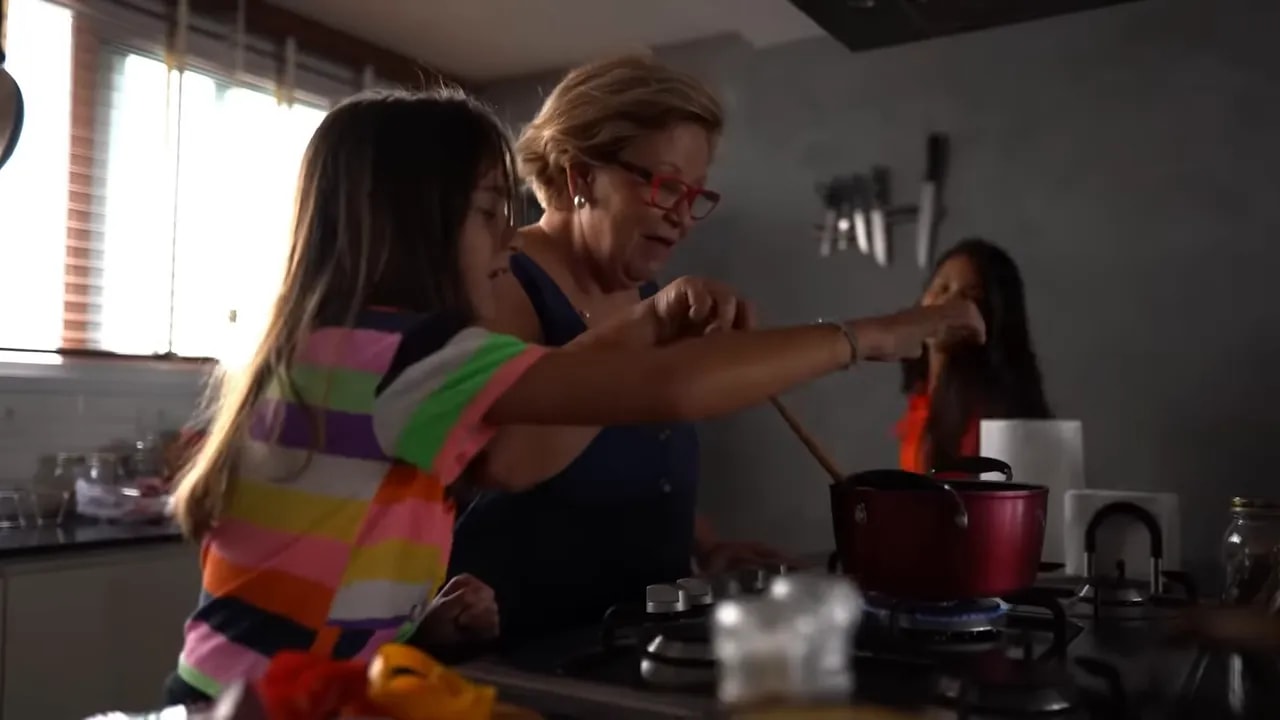
Cooking
Baking
Playing music
Gardening
Scrapbooking
Crafting
These activities are even more meaningful when seniors can share their knowledge with friends, family, or grandchildren. A favorite recipe, knitting skill, or craft technique can become a way to connect across generations.
Activities for seniors with cognitive decline
Cognitive decline can make everyday life more challenging, but meaningful engagement still matters. The right activities may help improve quality of life, support emotional well-being, and ease anxiety.
In many cases, simple and enjoyable activities work better than anything overly complex.
Games and puzzles
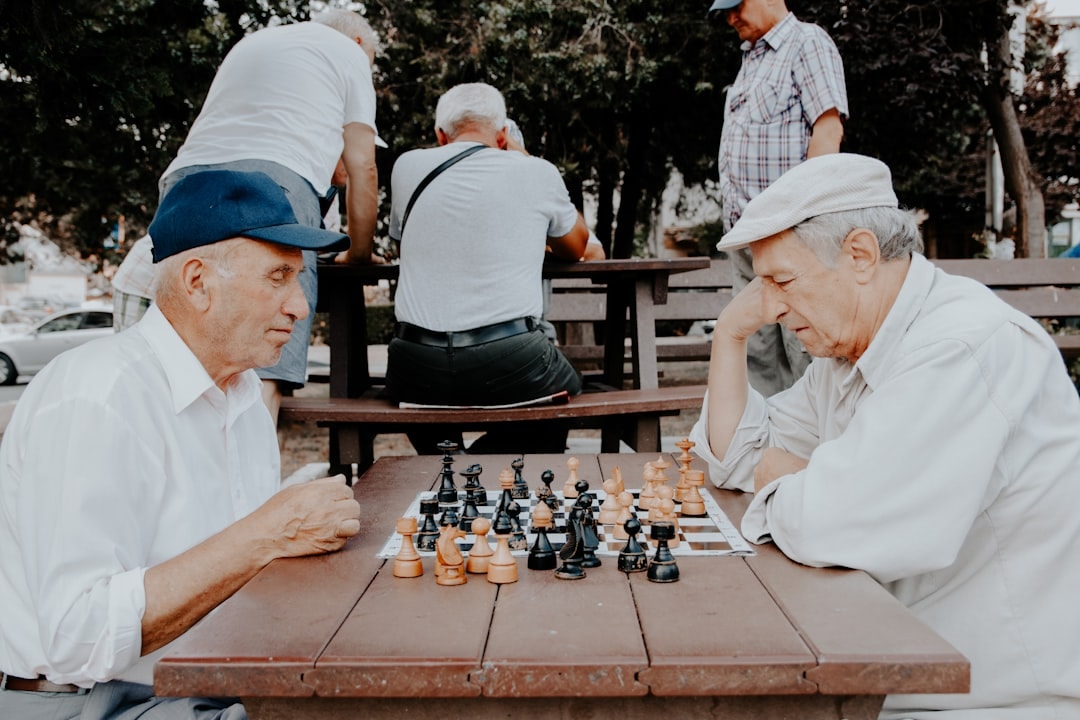
Games and puzzles can give the brain a useful workout. They can also create opportunities for companionship and laughter, which makes them more enjoyable than solitary mental exercises.
Possible options include:
Board games
Word games such as Scrabble
Jigsaw puzzles
Chess
Simple games on a smartphone
For many seniors, playing with a family member, friend, or companion makes the activity easier and more motivating.
Memory activities
Activities that stimulate memory can create positive feelings and improve mood. They work especially well when they involve familiar sights, sounds, and stories.
Helpful ideas include:
Listening to favorite songs
Watching classic movies
Organizing family photos
Sharing funny stories from the past
These activities do not need to feel like formal memory training. Often, the real benefit comes from comfort, recognition, and emotional connection.

Outdoor activities for seniors
Spending time outdoors can offer several benefits for older adults. It may help boost vitamin D levels, engage the senses, improve sleep, and enhance mood.
Outdoor activities can be simple:
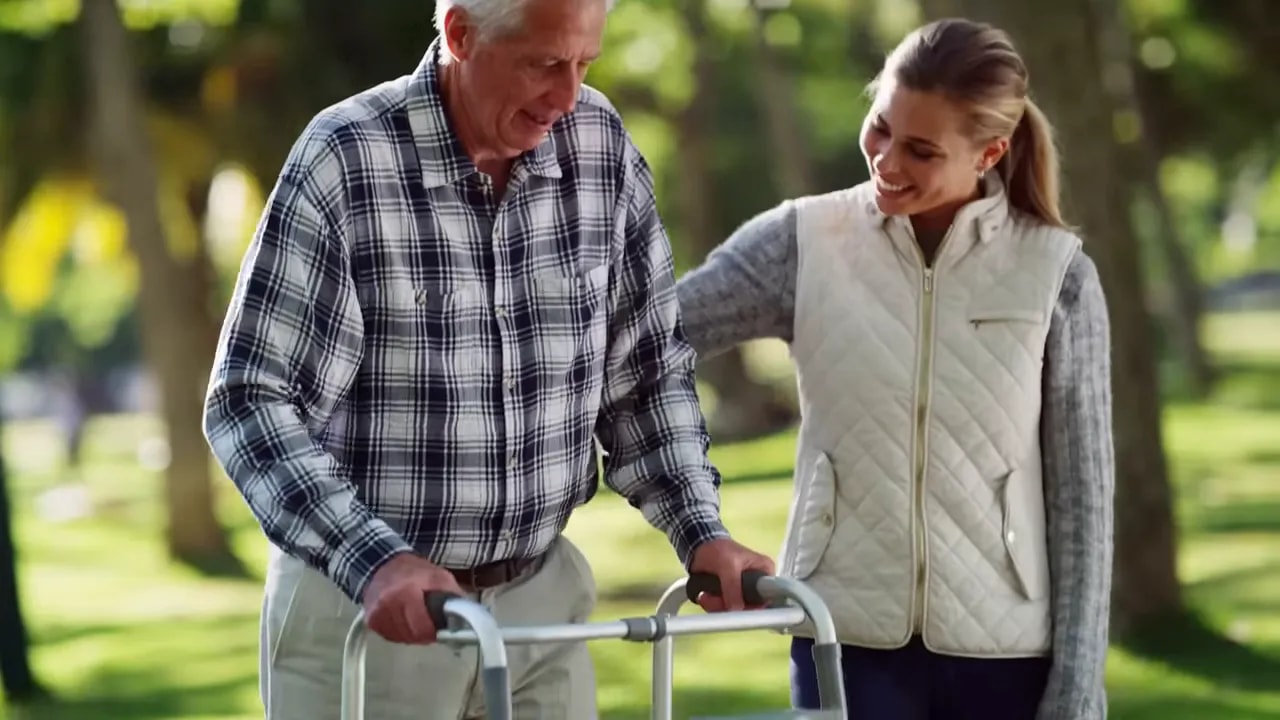
Taking a walk
Gardening
Sitting outside and enjoying fresh air
When planning outdoor time, consider the senior’s mobility level and the weather. Safety matters, especially for those who are frail or living with cognitive impairment.
Important precautions:
Watch for dehydration
Limit excess sun exposure
Be mindful of wandering risk
Best ways to keep seniors socially engaged
Social interaction is one of the most important parts of healthy aging. Even a great hobby can feel less meaningful if a person is isolated.
Ways to make activities more social include:
Doing puzzles or games with family or friends
Joining group exercise classes
Cooking or crafting with grandchildren
Reading together or discussing books
Enjoying outdoor time with a companion
Social connection can lift spirits and help break the cycle of chronic isolation.
Common mistakes to avoid
Even well-intended activity planning can miss the mark. These are some of the most common issues:
Choosing activities that are too difficult: frustration can quickly replace enjoyment.
Ignoring personal interests: a senior is more likely to stay engaged with something meaningful to them.
Overlooking accessibility needs: vision, mobility, and stamina should shape the activity choice.
Focusing only on mental or only on physical activity: a balanced mix is often best.
Forgetting the social piece: companionship often matters as much as the activity itself.
Simple activity checklist for caregivers and families
Use this quick checklist when planning activities for an older adult:
Does it match their current mobility and comfort level?
Does it connect to a past hobby or interest?
Can it be done safely?
Does it encourage mental, physical, or social engagement?
Can it be adapted for vision or cognitive challenges?
Will it feel enjoyable rather than like a chore?
Takeaway
The best activities for seniors are the ones that support well-being while respecting the person’s abilities and interests. Reading, adapted group exercise, creative hobbies, games, memory activities, and outdoor time can all make a meaningful difference.
Whether a senior has limited mobility, cognitive decline, or simply needs more social interaction, thoughtful activity choices can help them stay active, connected, and engaged in everyday life.