
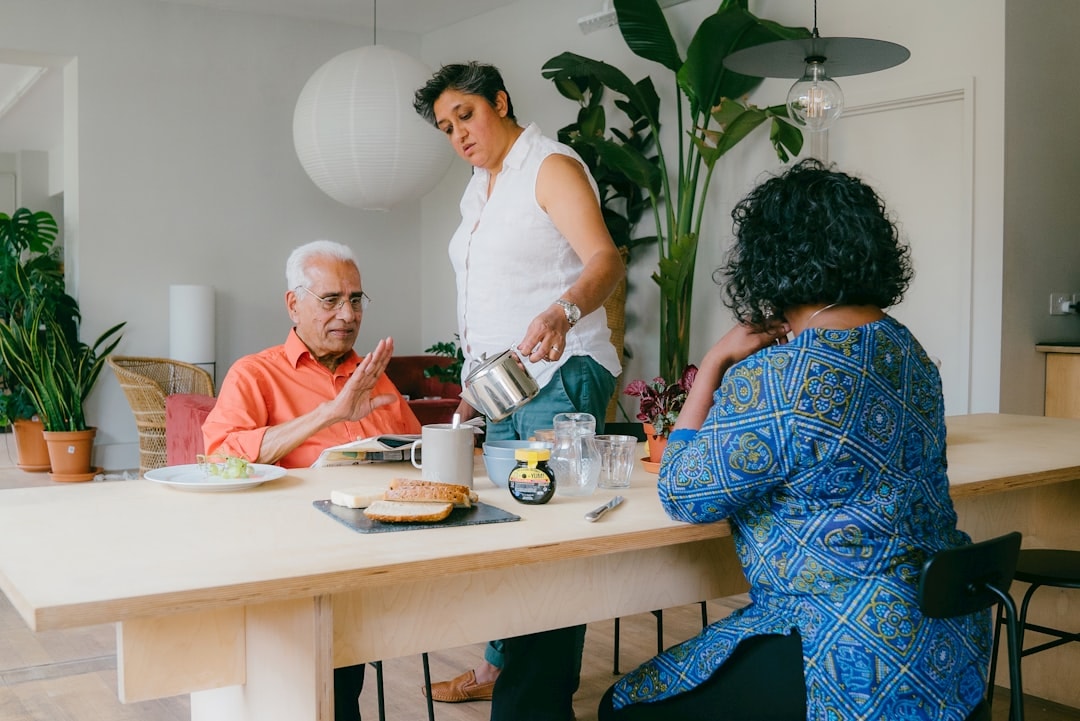
Photo by The Unmistakables on Unsplash
Good care depends on more than helping with daily routines. Food safety, adequate nutrition, and regular hydration all play a direct role in health, comfort, recovery, and dignity.
In care settings, even small mistakes can have serious consequences. Poor food hygiene can lead to foodborne illness. Inadequate eating and drinking can contribute to malnutrition, dehydration, infections, constipation, slow wound healing, and reduced well-being.
This guide explains the essentials caregivers need to know, including safe food handling, healthy eating, hydration targets, common risks, and practical ways to support people who struggle to eat or drink independently.
Why fluid and nutrition matter in care
Nutrition gives the body the fuel and nutrients it needs every day. A balanced intake of carbohydrates, fats, and protein, along with vitamins, minerals, and fibre, helps the body function properly.
Hydration is just as important. Water supports major body systems, including the heart and brain, and helps the body carry out normal daily functions. Regular fluid intake may also help lower the risk of some health problems, including urinary tract infections.
For people receiving care, nutrition and hydration deserve close attention because poor intake can develop gradually and may be missed unless it is actively monitored.
Why food safety is a core part of caregiving
Food safety protects people from food poisoning and other foodborne illnesses caused by contamination from bacteria, viruses, and other germs.
Contaminated food is a major global health issue, with hundreds of millions of illnesses reported each year. In care settings, the risk can be especially serious because many people are older, unwell, or recovering from illness.
Caregivers should treat food hygiene as a daily safety task, not just a kitchen task.

Food safety basics every caregiver should follow
1. Keep the environment clean
Work areas should be kept clean and hygienic before, during, and after food preparation.
This includes cleaning and sanitizing:
Work surfaces
Utensils
Knives
Chopping boards
Mixers and other equipment
Equipment should be thoroughly cleaned after each use. This is especially important when handling raw foods.
2. Prevent cross-contamination
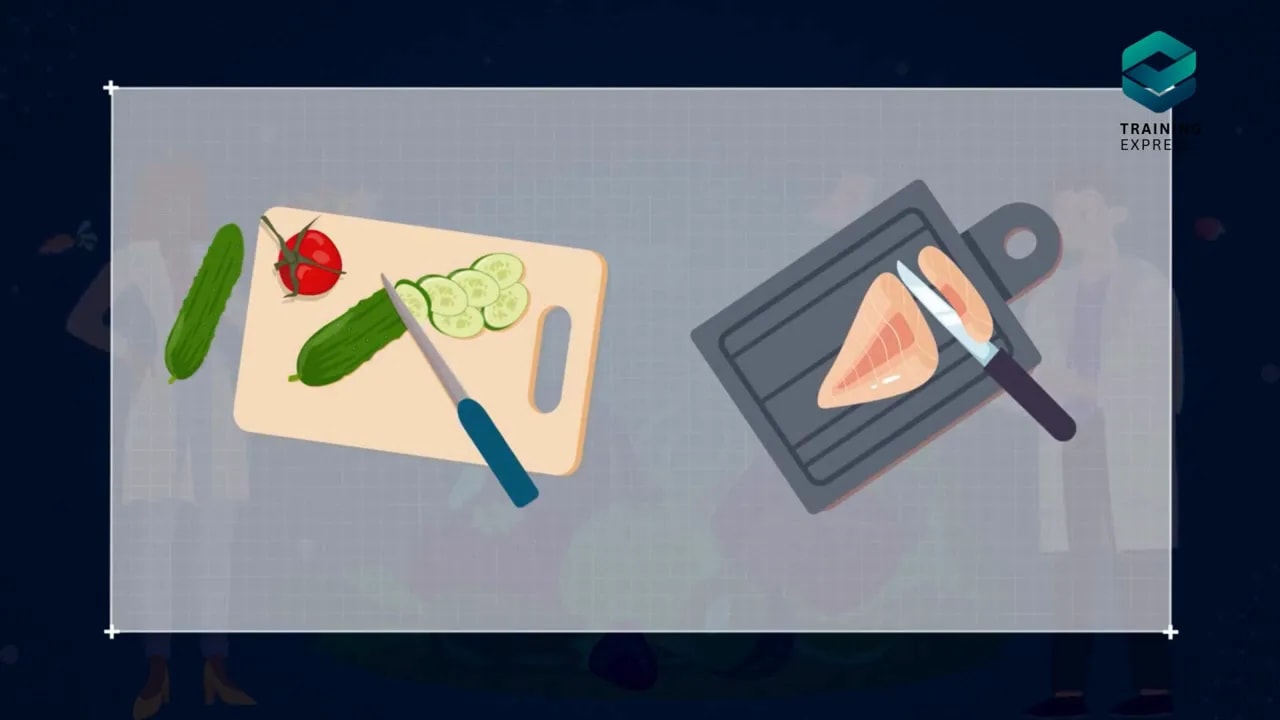
Raw meat, especially raw chicken, can spread bacteria to ready-to-eat foods.
For example, if one board is used for raw chicken and then for vegetables without proper cleaning, germs can transfer from the chicken to the vegetables.
Good practice includes:
Using separate chopping boards where possible
Cleaning boards, knives, and surfaces carefully after contact with raw foods
Keeping raw and ready-to-eat foods apart
3. Maintain high personal hygiene
Anyone handling food should follow strong personal hygiene standards.
Key practices include:
Tying hair back
Washing hands well with soap and hot water before, during, and after handling food
Wearing clean clothes
Using gloves if handling food directly with bare hands
These basic steps reduce the chance of transferring germs into food.
4. Store food at the correct temperature
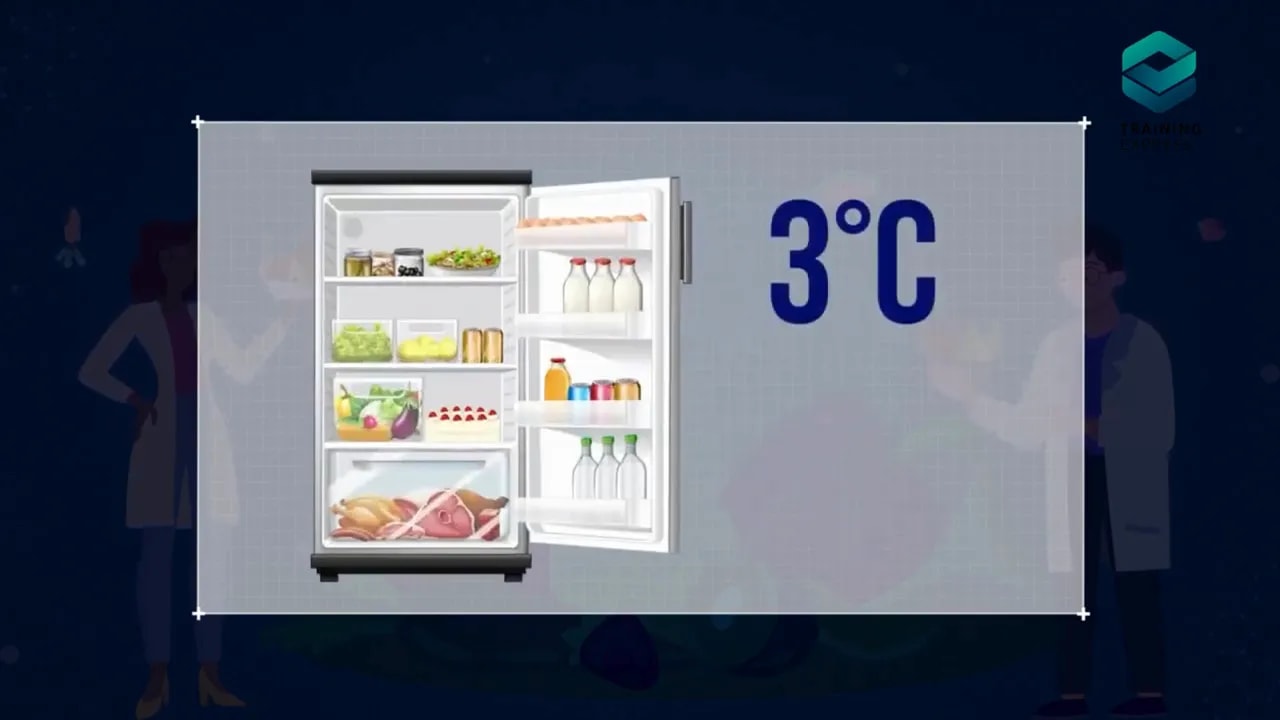
Different foods need different storage conditions. Some can be kept at room temperature, while others must be refrigerated or frozen.
If food needs refrigeration, it should be kept between 0°C and 5°C. Refrigerators should generally be set to 3°C or 4°C.
Domestic freezers should be set to -18°C.
Correct storage helps prevent germs from multiplying and releasing toxins.
5. Prepare and cook food properly
Some foods need washing before preparation, especially fruit and vegetables, which should be washed in cold water.
Raw chicken should not be washed, because splashing water can spread bacteria around the kitchen.
Food should also be cooked to a safe internal temperature. The core temperature should reach 75°C to help ensure harmful bacteria are destroyed.

What good nutrition means in everyday care
Good nutrition is not only about providing enough food. It is about providing the right balance of nutrients on a regular basis.
A healthy diet should include:
Carbohydrates
Protein
Fats
Vitamins
Minerals
Fibre
A balanced diet can support energy levels and may help reduce high blood pressure and cholesterol.
The 5 main food groups
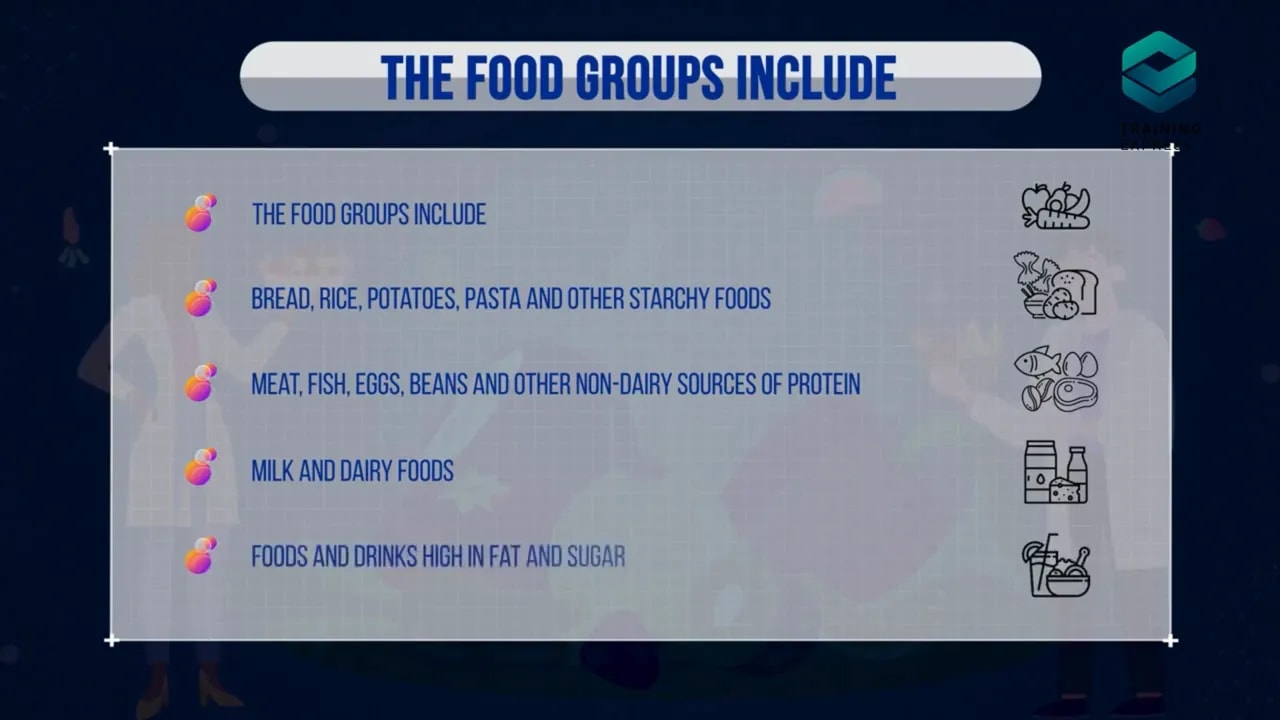
A useful model for balanced eating is the Eatwell approach, which groups foods into five main categories:
Fruit and vegetables
Bread, rice, potatoes, pasta, and other starchy foods
Meat, fish, eggs, beans, and other non-dairy sources of protein
Milk and dairy foods
Foods and drinks high in fat and sugar
How much should adults drink?
Adults should aim for roughly 2 litres of fluids a day, which is often described as about eight glasses of water daily.
Fluid needs can vary, but regular drinking is essential because water makes up more than 60 percent of the human body.

What happens when nutrition and hydration are inadequate?
Malnutrition
Malnutrition happens when a person consumes too many or too few nutrients. Undernutrition refers to not getting enough nutrients because too little food is eaten.
Someone who is malnourished may lack vitamins, minerals, and other nutrients the body needs.
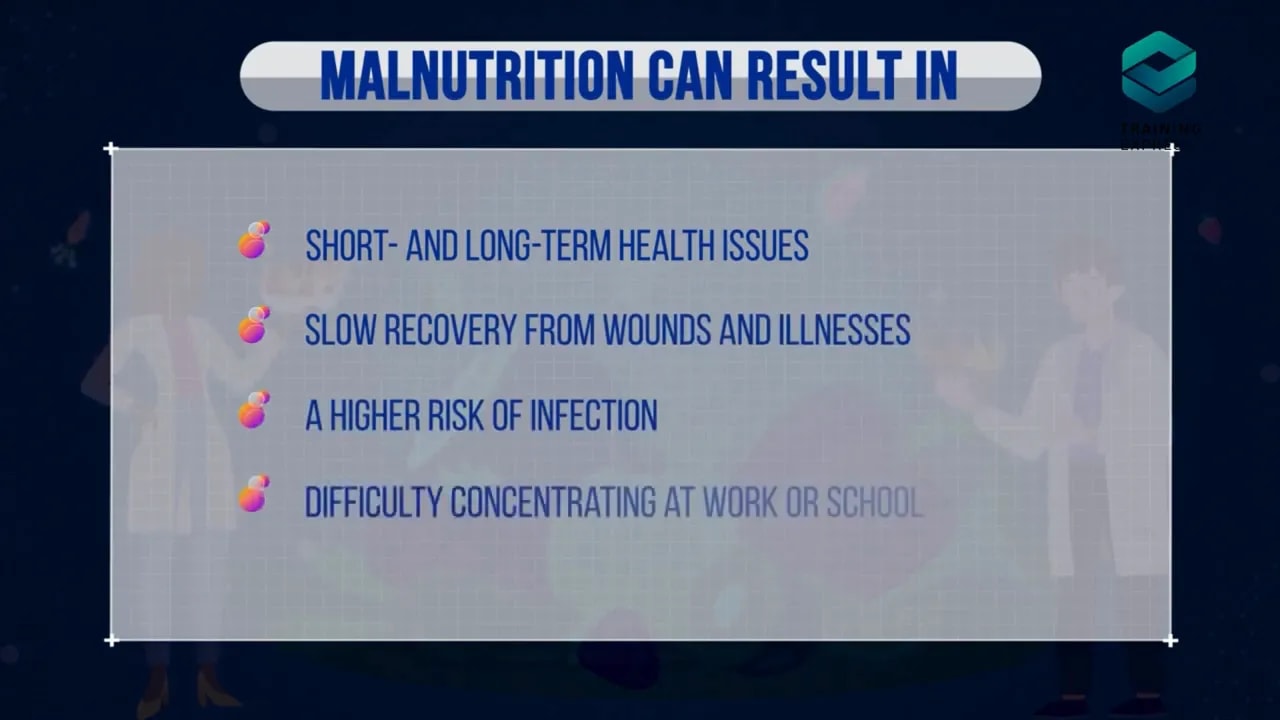
Possible effects include:
Short-term and long-term health problems
Slow recovery from wounds and illness
Higher risk of infection
Difficulty concentrating
Dehydration
Dehydration happens when the body loses more fluid than it takes in. Without enough replacement fluids, the body cannot perform its usual functions properly.
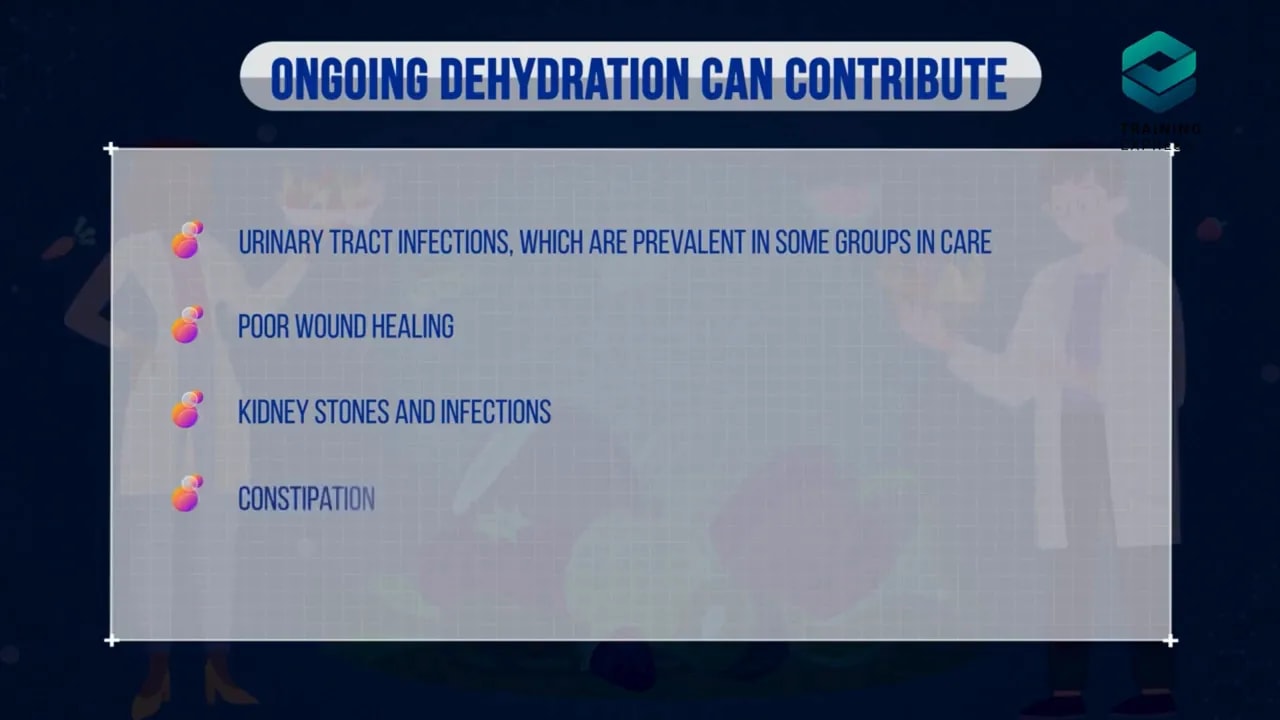
Ongoing dehydration can contribute to:
Urinary tract infections
Poor wound healing
Kidney stones and infections
Constipation
What caregivers should monitor
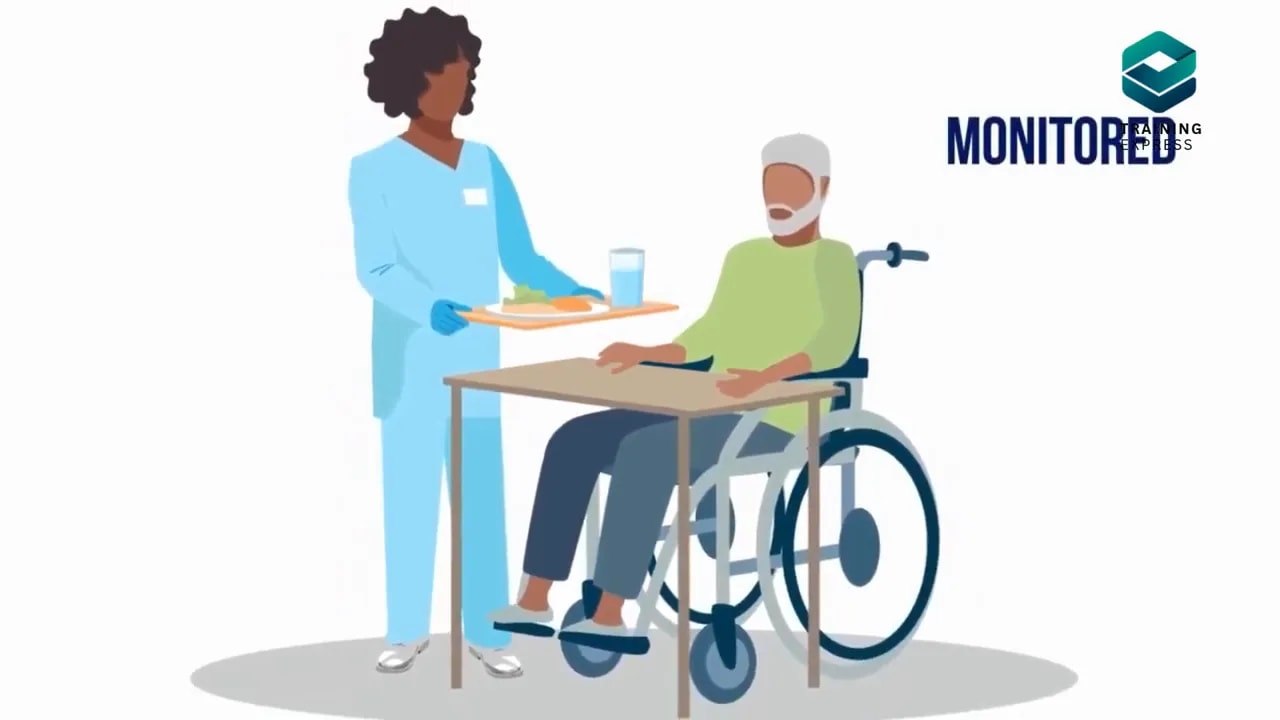
When a person receives care or support, especially long-term care, their nutrition and hydration should be monitored.
This monitoring should include:
Food allergies
Food preferences
Any help they need to eat and drink
Whether they have their own teeth
Whether they need regular or soft food
The aim is to provide food and drinks in a way that fits the individual, rather than expecting everyone to manage in the same way.
Person-centred nutrition and hydration support
Care should always be person-centred. That means understanding the individual’s needs, choices, health conditions, and practical difficulties.
Examples include:
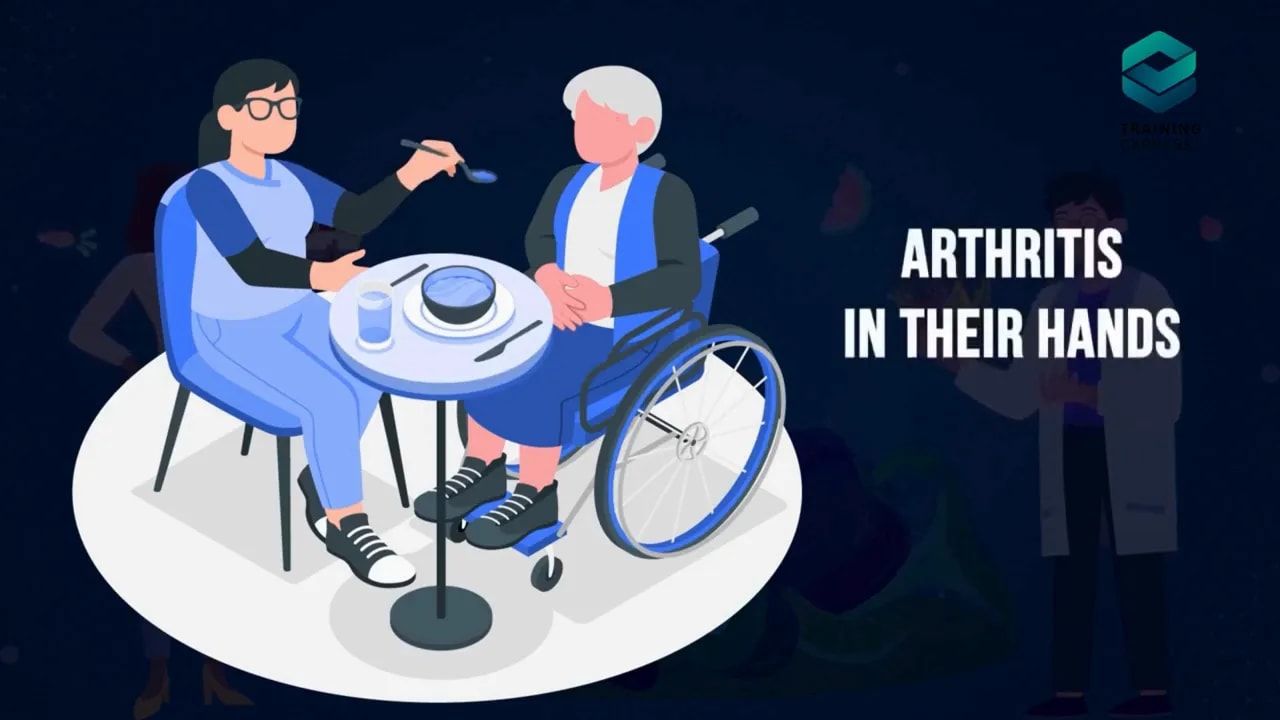
A person with arthritis in their hands may need help cutting food or opening packages
A person without natural teeth may need softer food
A person with memory difficulties may need reminders to eat or drink
A person with poor grip may need adapted mugs or cutlery
Respect dietary preferences
Some people choose not to eat certain foods. For example, vegetarians and vegans may avoid meat, and vegans also avoid dairy products.
Caregivers should understand these preferences clearly and make sure meals match the individual’s choices.
Consider health-related restrictions
Some people should avoid or limit specific foods because of health conditions or medication.
Examples mentioned include:
People with high cholesterol may be advised to avoid foods high in saturated fat such as butter, fried foods, and pastry
People with diabetes may be encouraged to reduce sugary foods such as sweets, chocolate, sugary cereals, cakes, and puddings
Some people taking certain antidepressant medication may need to avoid cheese
People with high blood pressure may be advised to restrict salt
People who are obese may be encouraged to reduce sugary and fatty foods
Why some people struggle to eat or drink
Difficulty eating or drinking independently can happen for many reasons, including:
Forgetting to eat
Medication side effects
Problems with dentures
Physical illness
Depression
Visual impairment
These barriers should not be treated as stubbornness or lack of interest. They often require practical support and patience.
Useful eating and drinking aids in care settings
Adaptive equipment can help people stay as independent as possible.
Examples include:
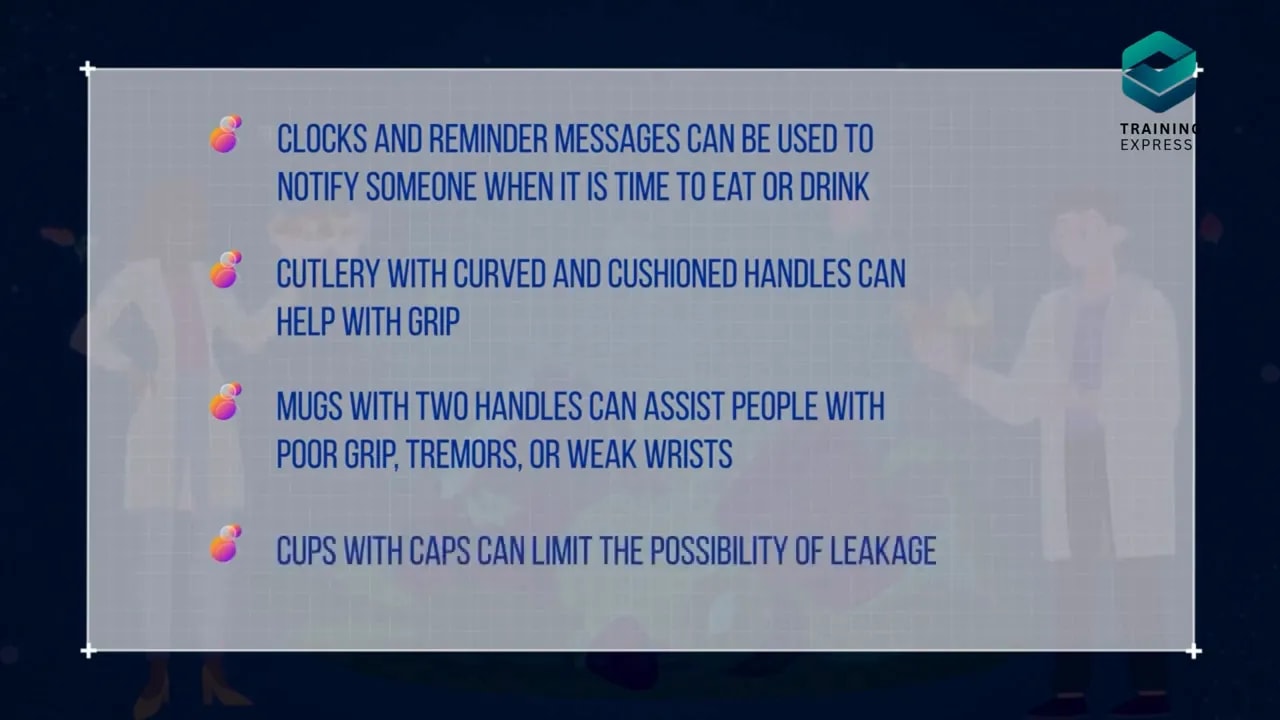
Clocks and reminder messages to prompt eating and drinking
Curved and cushioned cutlery handles to improve grip
Two-handled mugs for poor grip, tremors, or weak wrists
Cups with caps to reduce leakage
One-way straws so a person can drink without lifting a cup or glass
Non-slip mats to stop plates moving while food is being cut
Plates and bowls with high sides to prevent food slipping over the edge
Insulated bowls to keep food hot for slower eaters
Dignity and respect during meals
Practical support matters, but so does the way it is given.
People should be treated with dignity and respect at mealtimes. That includes:
Giving enough time to eat
Not rushing the person
Allowing choice about whether to use equipment provided
Supporting independence wherever possible
Mealtimes should be supportive, not pressured.
What to do if someone is not eating or drinking enough
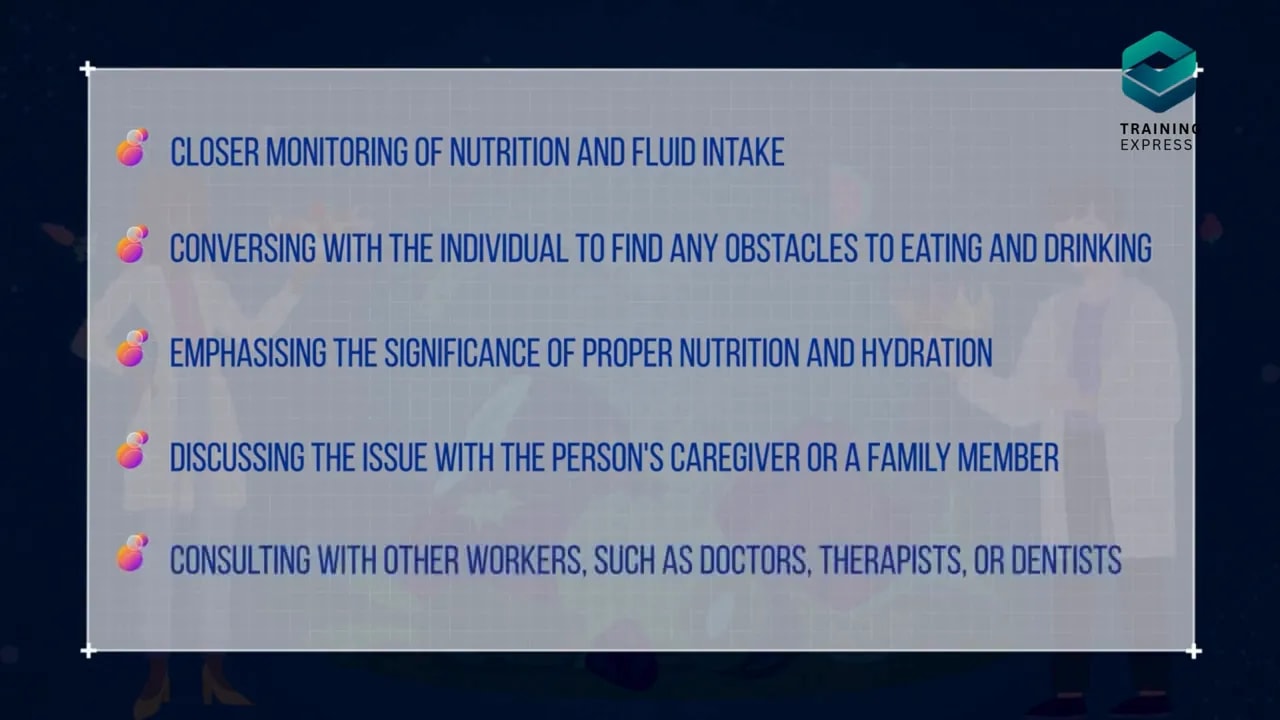
If a person still seems to be eating or drinking too little despite encouragement and support, concerns should be escalated.
Further action may include:
Closer monitoring of food and fluid intake
Talking with the individual to identify obstacles to eating and drinking
Reinforcing the importance of nutrition and hydration
Discussing concerns with a caregiver or family member
Consulting other professionals such as doctors, therapists, dentists, dietitians, or nutritionists
Common mistakes caregivers should avoid
Using the same chopping board for raw meat and ready-to-eat foods
Washing raw chicken, which can spread bacteria
Ignoring fridge and freezer temperatures
Rushing people during meals
Assuming refusal to eat is simply a choice without exploring possible barriers
Overlooking food preferences, allergies, or medical restrictions
Failing to monitor intake in long-term care
Quick caregiver checklist for daily practice
Keep all food preparation areas clean
Wash hands properly before, during, and after food handling
Clean utensils and equipment after each use
Prevent cross-contamination from raw foods
Store refrigerated food at 0°C to 5°C, ideally around 3°C to 4°C
Keep freezers at -18°C
Wash fruit and vegetables in cold water
Do not wash raw chicken
Cook food to a core temperature of 75°C
Encourage regular fluids, aiming for about 2 litres a day unless other guidance applies
Monitor allergies, preferences, and support needs
Use adaptive equipment when helpful
Protect dignity and allow enough time at mealtimes
Escalate concerns if intake remains poor
Key takeaway
Fluid and nutrition care is not limited to serving meals and drinks. It includes safe food handling, correct storage, balanced nutrition, hydration support, individual choice, and ongoing monitoring.
For caregivers, the goal is simple: help each person eat and drink safely, comfortably, and with dignity, while responding early when problems appear.