
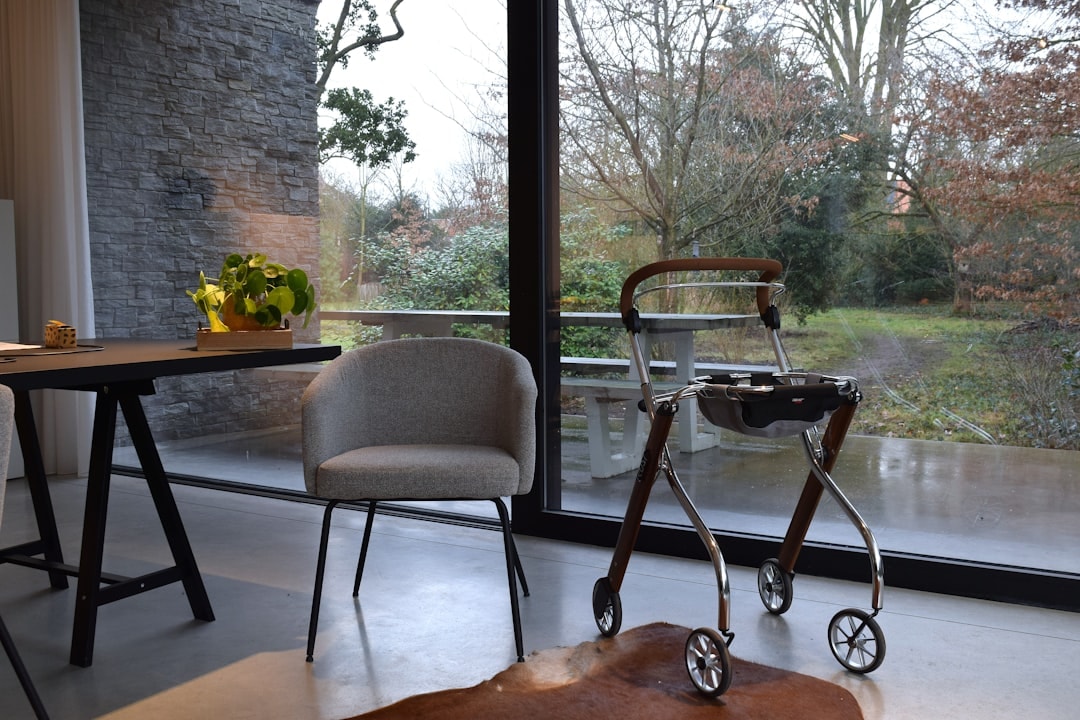
Photo by Mobio Marketing on Unsplash
Falls are one of the biggest threats to safety and independence for older adults. They can lead to injuries, hospital visits, loss of confidence, and major changes in daily life. The good news is that many falls can be prevented with practical home changes, better routines, and the right support from caregivers.
If you are caring for an older adult at home, the most effective fall prevention plan usually starts with three things: spotting risk early, reducing hazards in the home, and supporting safer daily habits.
Why fall prevention matters so much
Falls are extremely common among adults age 65 and older. They are a leading cause of both injury and death in older Americans, and they also place a major burden on the healthcare system.
Beyond the physical injuries, falls often create something less visible but just as serious: fear of falling. After a fall, some older adults become hesitant to walk, bathe, cook, or even get up to use the bathroom. That fear can reduce movement, weaken strength, and increase the risk of another fall.
Preventing falls helps protect:
Safety by lowering the chance of fractures and other injuries
Independence by making everyday tasks easier to do safely
Confidence by reducing fear and hesitation
Quality of life by helping older adults stay active at home
Common fall risk factors caregivers should know
Many people assume falls are mostly caused by weak muscles or poor balance. Those factors matter, but several other issues can be just as important.
Key fall risks include:
Medication problems or improper medication management
Unmet basic needs, such as needing food, water, or the bathroom
Muscle weakness
Not using the correct assistive device, such as a walker or cane
Balance problems
Poor lighting
Clutter and tripping hazards in walking paths
Confusion, dehydration, or illness
For caregivers, one important takeaway is this: a fall is often the result of several small risks adding up, not just one obvious problem.
How to tell if someone may be at higher risk of falling
You do not need a full clinical setup to notice whether someone may need more support. Two simple screening methods can help identify elevated risk.
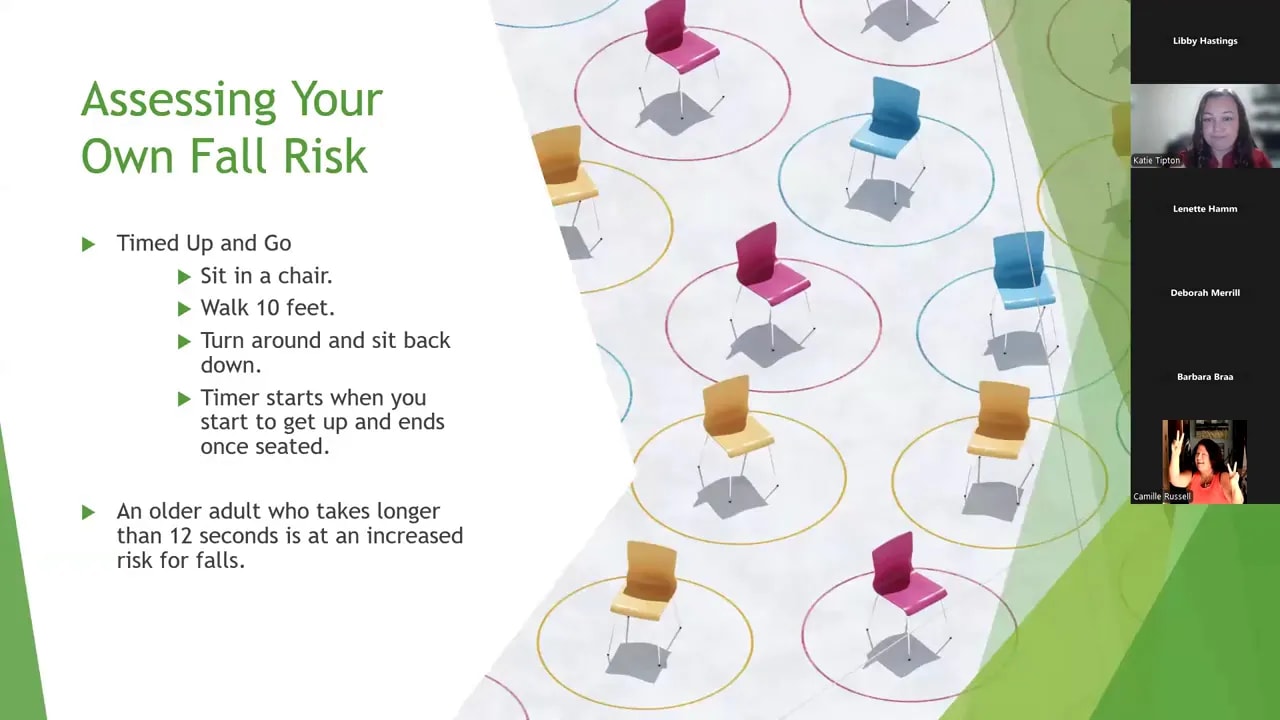
1. Timed Up and Go test
This is a simple mobility check that can be done in a clear area at home.
Place a chair in an open space.
Mark a spot about 10 feet away.
Have the person stand up from the chair.
Ask them to walk to the mark, turn around, walk back, and sit down.
Time the full task.
If it takes more than 12 seconds, that suggests a higher fall risk.
2. Functional Reach test
This helps check balance and stability while standing.
Stand upright.
Raise one arm to shoulder height with the fist closed.
Reach forward as far as possible without stepping.
Measure the distance reached.
General interpretation:
6 to 11 inches suggests moderate fall risk
Less than 6 inches suggests high fall risk
These quick tests do not replace professional evaluation, but they can help families decide when it is time to act.
The most effective home modifications to prevent falls
Home safety changes do not always require a major remodel. In many cases, the best fixes are simple and low cost.
Remove tripping hazards first
This is one of the easiest and most important steps.
Pay special attention to:
Loose rugs that curl up or catch a walker
Floor clutter in walkways
Pet toys left in walking paths
Electrical cords stretched across the floor
If rugs cannot be removed, rug tape may help secure them, but removal is usually the safest option.
Focus on the routes used most often, such as:
Bed to bathroom
Chair to kitchen
Bedroom to front or garage entry
Set up the favorite sitting area for safety
Many older adults spend most of the day in one main chair or sitting area. That space often becomes crowded with water, medicine, snacks, phones, remotes, and small tables.
That setup can be helpful, but only if it remains easy to move around.
Make sure the person can:
Reach what they need without leaning too far
Stand up without bumping into furniture
Walk away without moving trash cans, baskets, or side tables
Improve lighting throughout the home
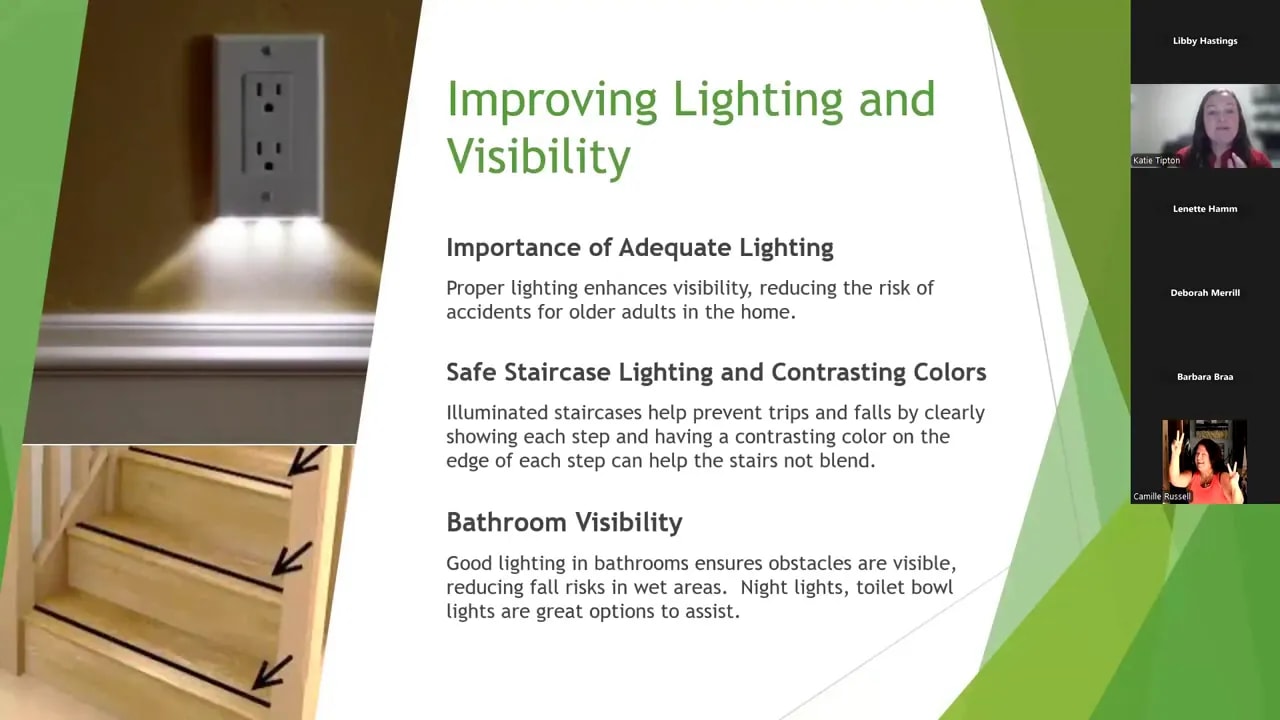
Lighting is a major fall prevention tool, especially because vision often declines with age.
Priority areas include:
Hallways
Bathrooms
Bedrooms
Staircases
Paths used at night
One common risk is getting up at night in a dark room after sitting with the lights off. Even a familiar path can become dangerous in low light.
Helpful lighting options include:
Night-lights in bathrooms and hallways
Outlet covers with built-in lighting
Battery-powered stick-on lights
Rechargeable lights for places without a convenient outlet
In bathrooms, specialized low-light options can also help during nighttime trips without turning on bright overhead lights.
On stairs, contrast matters too. If the edge of a step blends into carpet or flooring, it can be harder to judge where the step ends.
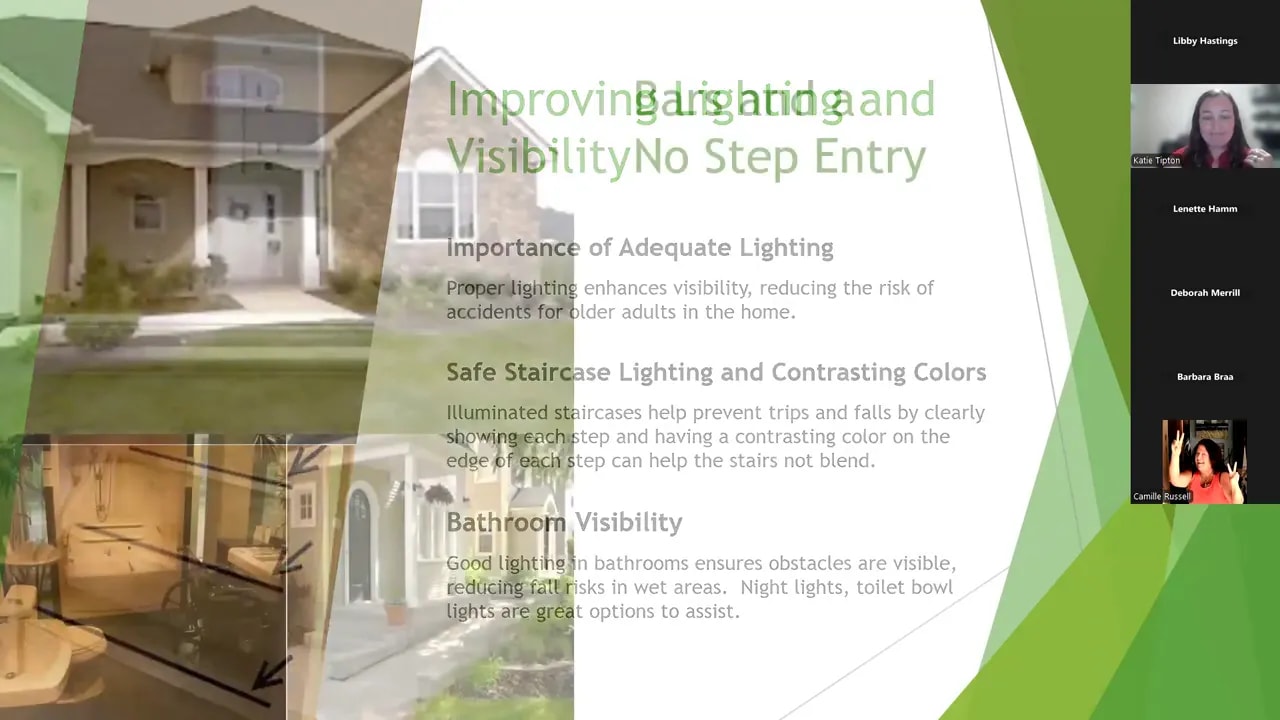
Create at least one no-step entry if possible
Getting in and out of the house safely is a major issue for people who use walkers, canes, or wheelchairs.
If home updates are possible, aim for at least one no-step entrance. This can make everyday access much safer and easier.
Even without a full remodel, adding support features such as grab rails on exterior steps can improve safety.
Room-by-room fall prevention tips
Bathroom safety
The bathroom is one of the highest-risk areas in the home.
Helpful upgrades include:
Shower chairs or benches
Grab bars in showers and tubs
Night-lights for nighttime bathroom trips
Clear floor space with no obstacles near the toilet or sink
Sitting while bathing can lower slip risk, especially for older adults over 70 or anyone with poor balance or fatigue.
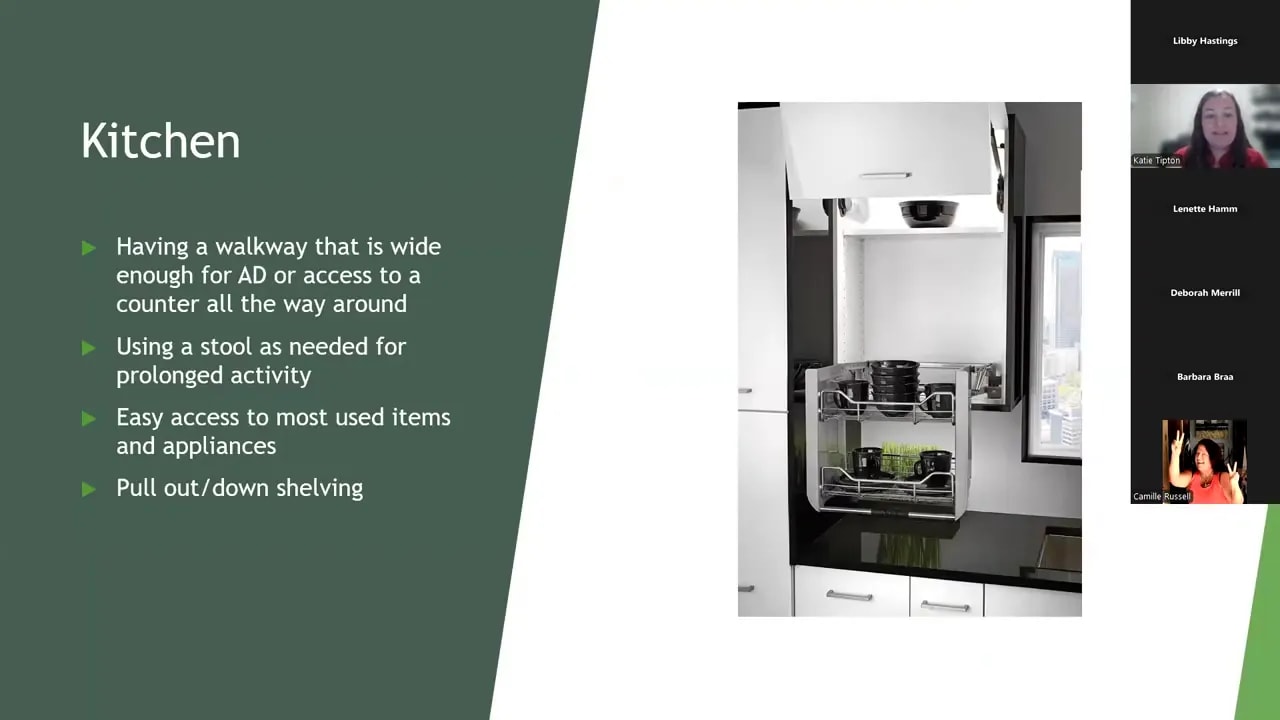
Kitchen safety
The kitchen creates risks because it combines standing, turning, reaching, carrying, and fatigue.
Safer kitchen setup tips:
Keep walkways wide enough for mobility devices when possible
Use stable counters for support if the kitchen is narrow
Sit during meal prep using a stool, chair, or rollator seat with brakes locked
Store frequently used items where they are easy to reach
Reaching high overhead or bending low toward the floor raises fall risk. Try to place common items like cups, dishes, and cookware between knee and shoulder height.
For added convenience, some homes may benefit from:
Pull-down shelving
Pull-out drawers
These features reduce deep bending and awkward reaching into cabinets.
Adaptive equipment that can reduce fall risk
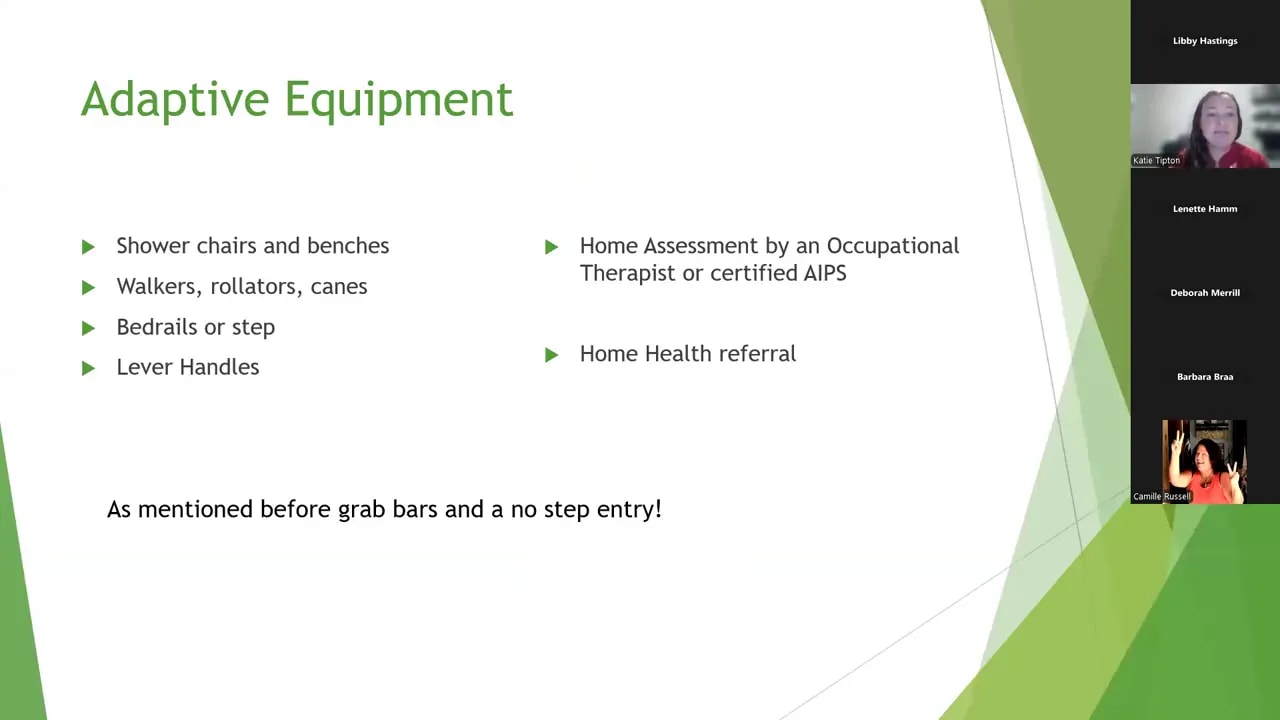
The right equipment can add stability, reduce strain, and make daily tasks safer. A few of the most common examples include:
Shower chairs and benches
Walkers
Rollators
Canes
Wheelchairs
Bed rails
Bed steps
Lever-style sink and door handles
Lever handles can be especially useful for people with arthritis or hand weakness because they are easier to operate than round knobs.
A bed rail can help with both getting into bed and getting out safely. A bed step may help shorter adults or anyone struggling with a high mattress.
One important reminder: equipment only helps if it is actually used.
What caregivers can do every day to prevent falls
Caregivers often notice subtle changes before anyone else does. That makes them central to fall prevention.
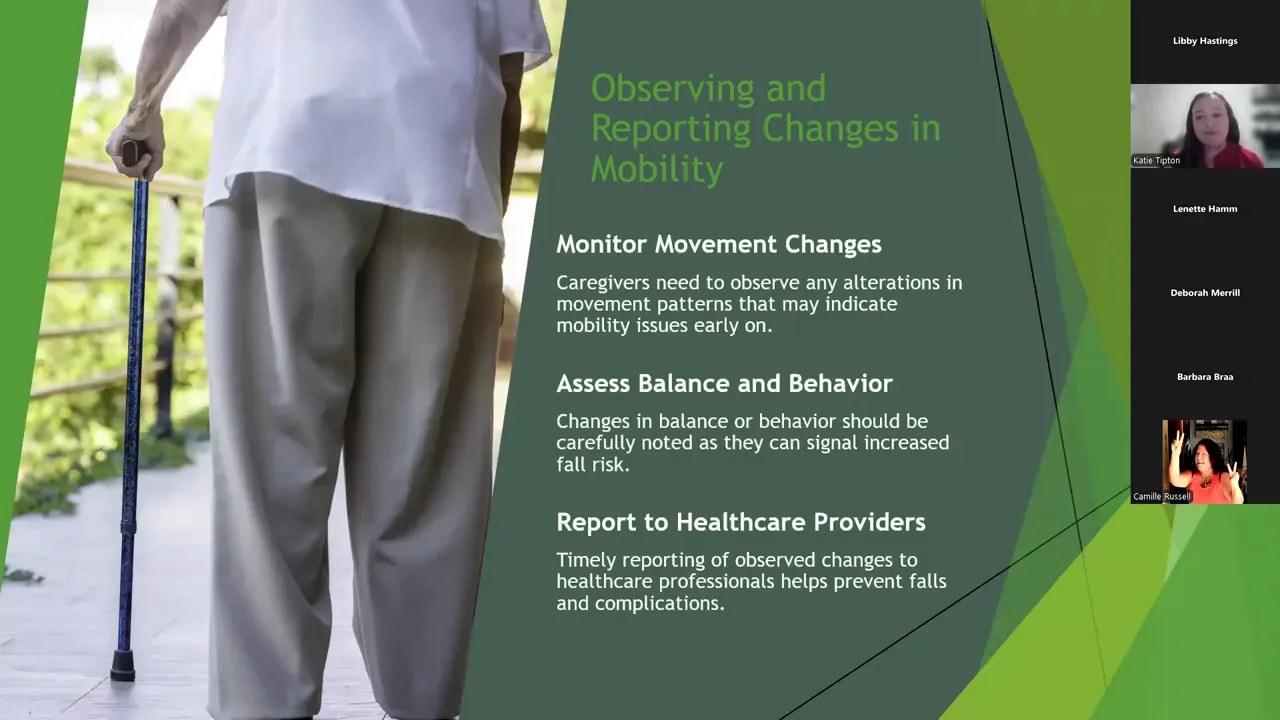
Watch for changes in movement or confusion
Pay attention to signs such as:
Slower walking
More unsteadiness
Needing to hold onto furniture
New confusion
More weakness than usual
These changes can signal an immediate safety issue. They may also point to an underlying medical problem.
Dehydration and urinary tract infections were specifically highlighted as common reasons for hospitalization and can contribute to confusion, weakness, and balance problems. If something seems off and it does not improve within about 24 hours, contacting a healthcare provider is a reasonable next step.
Encourage consistent use of assistive devices
It is common for someone to leave a walker in another room or skip using a cane for short trips around the house. That is when falls often happen.
Caregivers can help by:
Keeping devices within reach
Reminding the person to use them every time
Placing devices on each floor of the home if needed
For families concerned about cost, local equipment loan closets may be a useful option for finding walkers or canes at lower cost.
Support safer footwear
Proper footwear improves traction and reduces slipping.
Better choices include:
Rubber-soled shoes
Gripper socks
Slippers with backs and rubber soles
Open-back slippers are less safe because they can slide off or catch on the floor.
Reduce rushing
Many falls happen when someone is hurrying to the bathroom, to get food, or to respond to discomfort.
You can reduce that risk by helping with routines such as:
Keeping water nearby
Keeping snacks within reach if low blood sugar is a concern
Encouraging regular bathroom use so there is less urgency
Reminding the person to pause before standing and walking
Encourage movement and exercise
Regular activity can support walking, balance, and confidence.
Exercise does not have to be complicated. It may be easier to stick with if it feels meaningful or familiar. For example:
Practice golf-style movements for someone who enjoys golf
Use playful reaching or casting motions for someone who likes fishing
Use simple household items such as soup cans as light weights when appropriate
Consistency matters more than intensity. Caregivers can help by participating and making the activity part of a routine.
Fall prevention mistakes families often make
Even caring, attentive families can miss common hazards. Watch out for these mistakes:
Leaving rugs in place because they seem harmless
Assuming the person will ask for help when they feel weak or dizzy
Letting poor lighting continue because the layout feels familiar
Storing everyday items too high or too low
Accepting unsafe footwear because it is comfortable
Forgetting to check for illness or dehydration when balance suddenly worsens
Buying equipment without making sure it fits the person and the space
When to get a professional home assessment
If falls are happening, near-falls are increasing, or the home layout is complicated, a professional assessment can help.
A home assessment may be especially useful when:
The person has already fallen
They use a walker, cane, or wheelchair
The bathroom or entryway is difficult to navigate
You are considering modifications or equipment purchases
Two types of professionals specifically mentioned as helpful for this include:
Occupational therapists
Certified aging in place specialists
Can Medicaid help pay for home modifications?
Some assistance may be available for home modifications through Medicaid, including waiver-based support. However, this process may involve multiple steps and requirements.
Important points noted include:
An evaluation may be required, such as one by an occupational therapist
There may be a quoting and approval process
Home ownership requirements may apply in some situations
If this applies to your family, a practical first step may be to contact the relevant care coordinator for guidance on the process.
A practical fall prevention checklist for caregivers
Use this quick checklist to review the home and daily routine:
Remove loose rugs or secure them
Clear clutter from main walking paths
Move pet toys out of the way
Reroute or secure electrical cords
Add lighting in hallways, bathrooms, and near stairs
Make sure commonly used items are easy to reach
Check that shower seating or grab bars are in place if needed
Confirm walkers or canes are easy to access and used consistently
Encourage non-slip footwear
Keep water and snacks nearby when appropriate
Encourage regular bathroom routines
Watch for sudden confusion, weakness, or balance changes
Consider a professional home safety assessment if risks are rising
Bottom line
Fall prevention at home is not about removing independence. It is about protecting it.
The most effective approach combines safer home design, better lighting, smart use of adaptive equipment, consistent routines, and early attention to physical or cognitive changes.
For caregivers, small changes can make a big difference. Clearing one walkway, improving one bathroom, or making sure one walker is used every time may be enough to prevent a life-changing injury.