
Photo by National Cancer Institute on Unsplash
Family caregiving often starts with good intentions and slowly turns into constant check-ins about medications, blood pressure, oxygen levels, and other daily health tasks. Over time, those repetitive calls can create tension for both the caregiver and the older adult.
Automated medication reminders and remote vital tracking can help. They support independence for seniors while giving caregivers timely updates, alerts, and a clearer health record to share with clinicians.
This guide explains how these tools work, who they help most, and what practical benefits they can offer in everyday caregiving.
What automated medication reminders and remote monitoring actually do
These tools are designed to reduce the need for manual follow-up. Instead of relying on a family member to remember every call, prompt, and log entry, the system handles routine tasks automatically.
Common functions include:
- Automated reminders for daily health tasks such as taking medication or checking readings
- Connected health devices that send measurements directly to an app
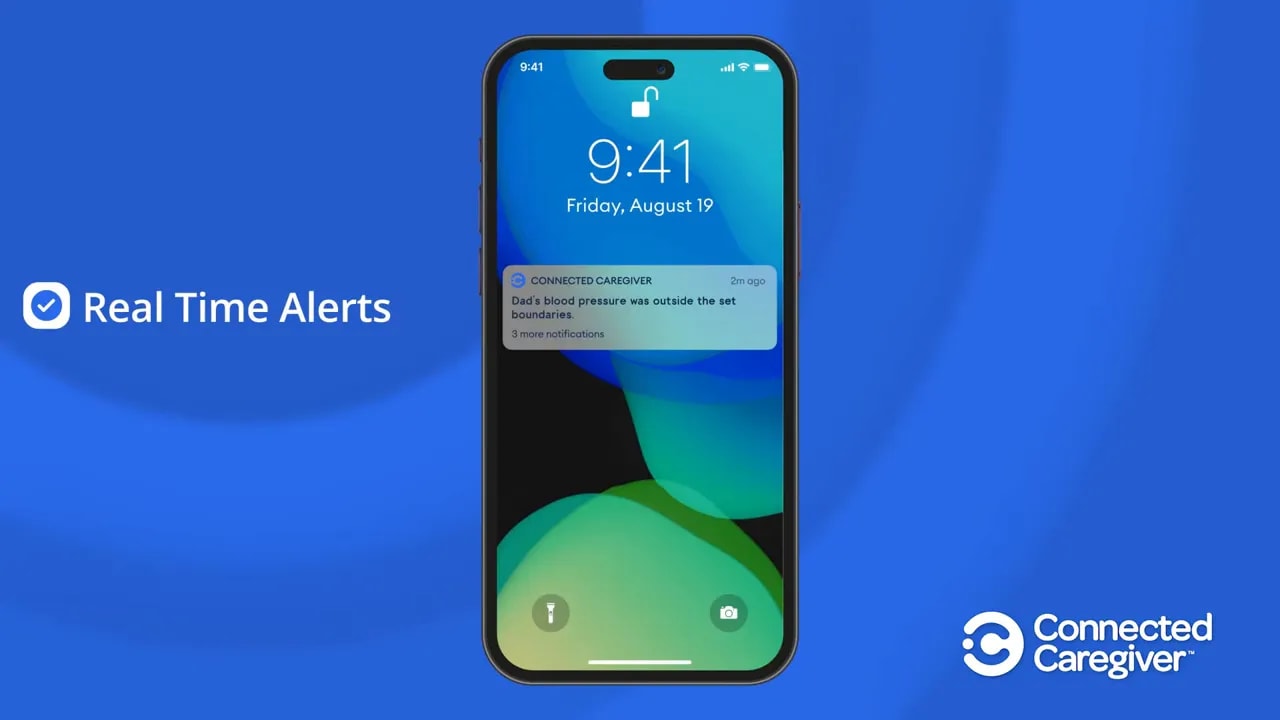
- Real-time alerts when a reading is missed or may be unsafe
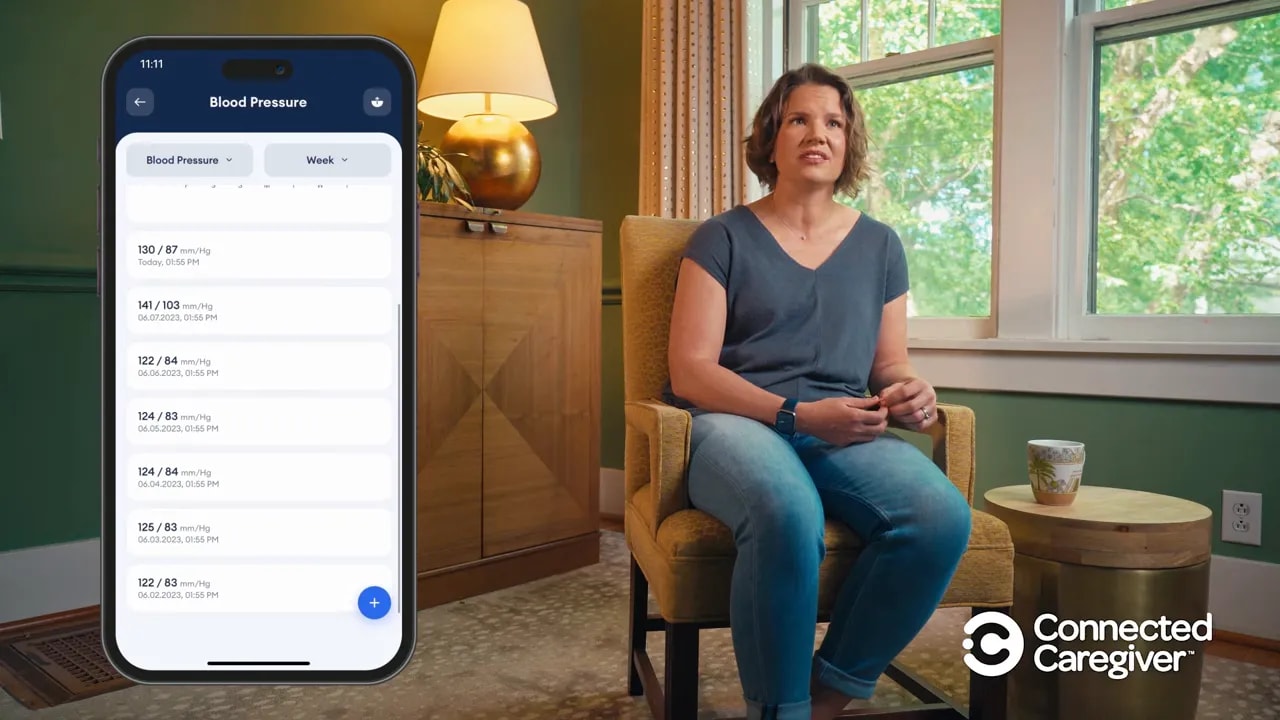
- Digital records that show trends over time
- Easy sharing of health information with doctors when needed
In the source material, the connected setup includes reminders for blood pressure and blood oxygen checks, along with app-based uploads and alerts. The video description also highlights medication reminders, refill support, and medication interaction checks.
Why repetitive caregiving calls become a problem
Many caregivers fall into a pattern of asking the same health questions every day:
- Did you take your medication?
- Did you check your blood pressure?
- What was your oxygen reading?
- Did you miss anything today?
That routine can be necessary, but it can also change the relationship. Conversations become task-focused instead of personal. For older adults, it may feel like they are being supervised. For caregivers, it can feel exhausting and hard to keep up.
Automation helps by moving the routine reminders and tracking into a system, so the caregiver can step back from being the only safety net.
How remote vital tracking works for seniors and caregivers
Remote vital tracking uses connected devices to collect health data and send it to a caregiver app. In this case, the system supports measurements such as:
- Blood pressure
- Pulse oximeter readings
- Weight tracking
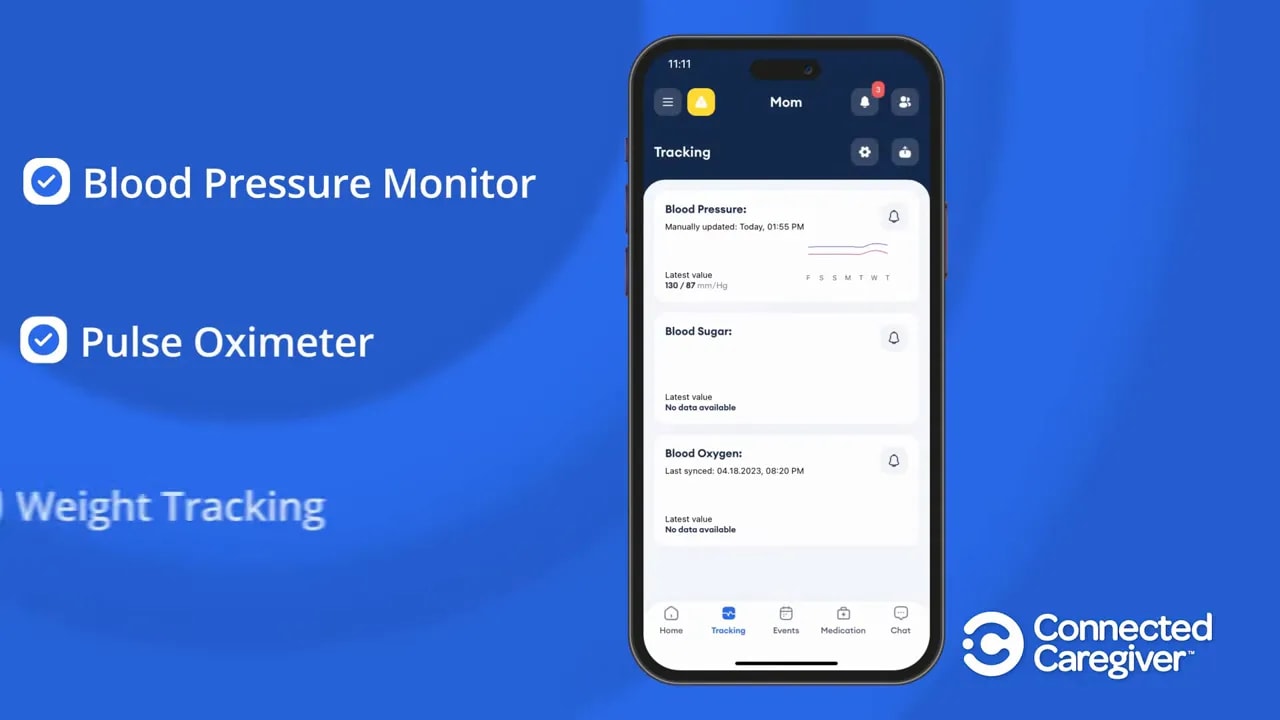
A key detail is that the smart devices are cellular-enabled. That means the older adult can use them in a familiar way without needing to manage complicated setup steps or manually send results. The readings appear in the app automatically.
This matters because many remote monitoring tools fail when they expect too much technical effort from the person taking the readings. A simpler process increases the chance that daily tracking actually happens.
What features matter most in a caregiving app
If you are comparing options, look for features that solve real day-to-day problems rather than just adding more data.
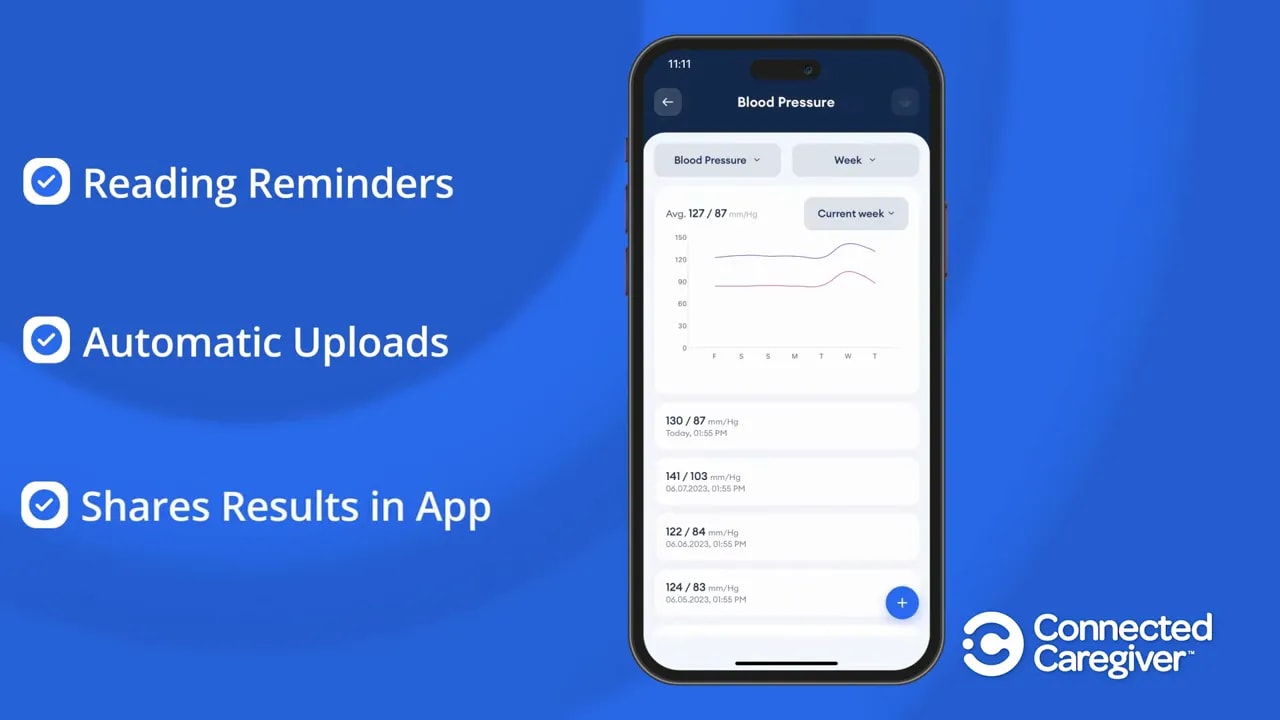
1. Automated reminders
Reminders reduce the need for constant phone calls and make it easier for the older adult to stay on schedule independently.
2. Automatic uploads
Health readings should flow into the app without extra steps whenever possible. Manual entry can lead to missed data, errors, or abandonment.
3. Alerts for missed or potentially dangerous readings
This is one of the most important features. A caregiver does not need to monitor everything all day if the system flags issues as they happen.
4. A digital health history
Single readings can be misleading. A record over weeks or months is more useful for spotting trends and discussing treatment decisions.
5. Easy sharing with clinicians
When appointments come up, having a usable record is more valuable than trying to remember isolated numbers from memory.
How automated alerts can catch problems earlier
One of the clearest benefits of remote monitoring is that it can surface a problem before it turns into a bigger one.
In the source example, a caregiver received an alert after a blood pressure spike. That prompted a phone call, which revealed that medication had been missed for several days. Without that alert, the issue may have gone unnoticed.
This illustrates why alerts matter. They create a faster response loop when:
- A reading is unusually high or low
- A scheduled check is missed
- A pattern changes over time
Alerts do not replace medical care, but they can help families intervene sooner and with better context.
How these tools support senior independence
Caregiving technology is not just about oversight. Used well, it can also preserve dignity and independence.
When reminders and uploads happen automatically:
- The older adult can handle routine tasks on their own
- The caregiver does not need to prompt every action
- The relationship becomes less centered on supervision
That balance can be especially important when a parent wants to remain self-sufficient but still needs health support in the background.
Why trend data is more useful than one reading at a doctor visit
Many families rely on occasional measurements taken during appointments. The problem is that one reading offers only a snapshot.
A longer record provides better clinical context. In the source material, several months of blood pressure data were shared at an appointment, which gave the doctor more helpful information than a single in-office measurement.
This kind of history can help with:
- Identifying patterns over time
- Evaluating whether treatment is working
- Understanding changes between visits
- Giving clinicians more complete information
Medication reminders for seniors: where they fit into the bigger picture
Medication adherence is often tied directly to vital readings. A missed dose can lead to changes in blood pressure or other indicators, and those changes may not be obvious right away.
That is why medication reminders work best as part of a broader caregiving system that may also include:
- Vital sign reminders
- Missed-dose awareness
- Refill tracking
- Medication interaction checks
- Alerting caregivers when something may be wrong
When these pieces work together, caregivers spend less time chasing information and more time addressing real needs.
Who benefits most from this type of system
Automated reminders and remote vital tracking can be especially helpful for:
- Adult children supporting an aging parent from a distance
- Families managing blood pressure concerns
- Seniors who can take readings independently but need a structured routine
- Caregivers who want alerts for missed checks or concerning results
- Households preparing for more informed medical appointments
These tools may be less useful if the older adult cannot reliably use the devices at all, even with a simple process. In that case, hands-on support may still be necessary.
Common mistakes to avoid
Choosing tools that are too complicated
If the setup requires too many steps, daily use may fall apart quickly. Simplicity matters.
Relying only on manual check-ins
Phone calls can help, but they are easy to miss and hard to sustain. Automation reduces that burden.
Ignoring trends and focusing only on isolated numbers
A single reading does not always tell the whole story. Historical records are often more useful.
Using reminders without any alert system
Reminders are helpful, but alerts create the follow-up path when something is missed or concerning.
Letting caregiving conversations become purely medical
One of the hidden costs of manual monitoring is relationship strain. If technology can take over routine tracking, conversations can become more personal again.
Questions to ask before choosing a caregiver monitoring app
- What health tasks can it remind someone to complete?
- Which devices connect to the app?
- Are readings uploaded automatically?
- Does it use cellular-enabled devices or require extra tech setup?
- What types of alerts are sent to caregivers?
- Can data be reviewed over weeks or months?
- How easy is it to share records with doctors?
- Does it also support medication reminders, refills, or interaction checks?
The biggest benefit is not just convenience
The practical benefits are clear: fewer reminder calls, faster awareness of missed readings, and better records for appointments.
But the larger benefit is often relational. When the system handles routine monitoring, caregivers can spend less time managing tasks and more time connecting as family.
Bottom line
Automated medication reminders for seniors and remote vital tracking can reduce caregiver stress, support independence, and improve communication with doctors. Features such as cellular-enabled devices, automatic uploads, real-time alerts, and long-term data records are especially useful for families managing ongoing health concerns.
If caregiving has turned into a string of repetitive check-ins, a connected monitoring system may help shift some of that burden away from daily phone reminders and toward a more sustainable routine.