

Photo by National Cancer Institute on Unsplash
Managing multiple prescriptions can get complicated fast. Missed doses, double doses, and confusion about timing are common problems, especially for older adults who take medications several times a day.
The good news is that there are practical tools that can make medication routines much safer and easier. The right system depends on how much help a person needs, whether they use a smartphone, and whether family members or caregivers want updates.
Why medication management becomes difficult for older adults
Medication mistakes usually happen for predictable reasons. A person may:
-
Take several medications at different times of day
-
Forget whether a dose was already taken
-
Struggle to organize multiple pill bottles
-
Need reminders but ignore or miss them
-
Need a caregiver or family member to know if a dose was missed
If this sounds familiar, the main goal is simple: get organized and add reliable reminders.
Start with the least complicated solution that will work
Not every older adult needs a high-tech medication device. In many cases, the best option is the one that fits daily habits and is easy to maintain.
A helpful way to choose is to think in levels:
-
Basic organization with pillboxes and reminder tools
-
Smart tracking with connected pillboxes and notification systems
-
Automatic dispensing and escalation for people who need stronger support
-
Pre-sorted packaging to remove the need for sorting pills at home
-
Mobile apps for people comfortable with smartphones
Simple medication reminder tools that improve organization
Traditional pillboxes are familiar, but there are more advanced versions that add reminders and reduce confusion.
Examples of useful tools in this category include:
-
Daily medication reminder centers that organize doses by time
-
Portable pill reminders for doses taken away from home
-
Reminder watches that alert the user when it is time to take medicine
-
Timer pill caps that show when a bottle was last opened, helping prevent accidental repeat doses
-
Dispensing stations that combine storage and reminders
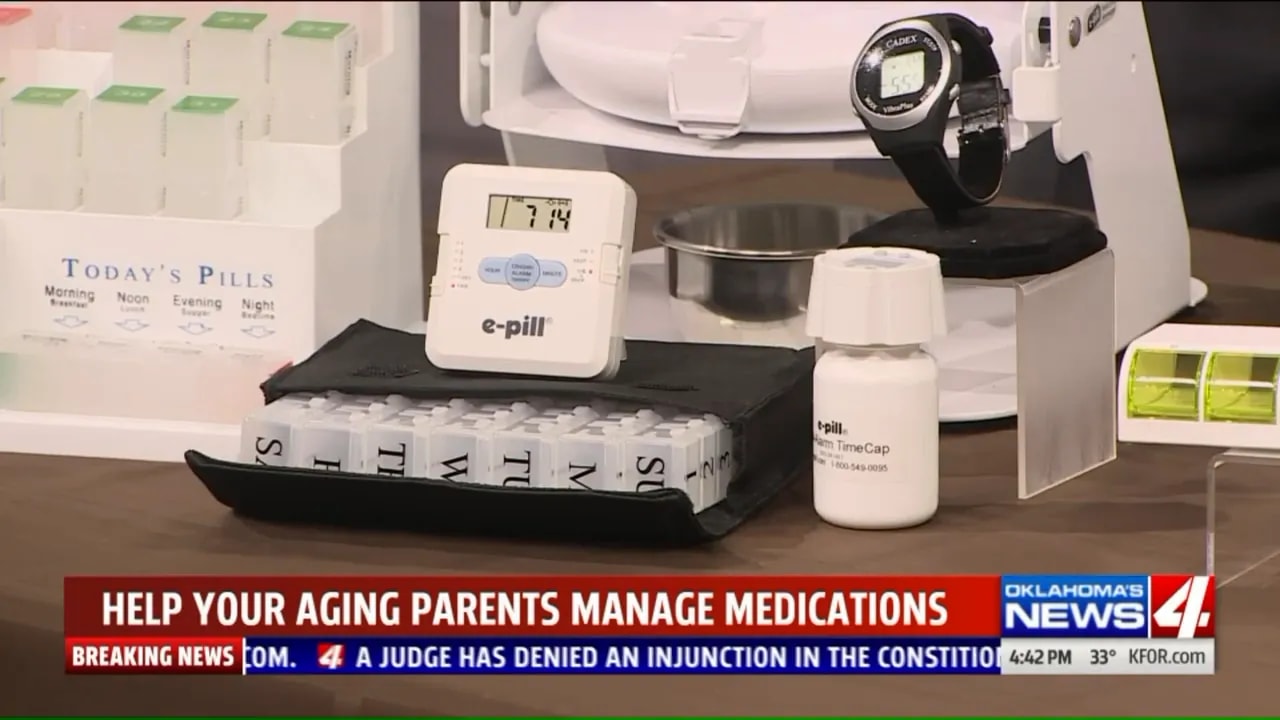
These options are a good fit for someone who is mostly independent but needs help staying consistent.
What smart pillboxes do differently
Smart pillboxes go beyond storage. They can track when medicine is taken, provide digital reminders, and in some cases notify family members or caregivers.
That makes them useful when the challenge is not just remembering, but also confirming whether a dose happened.
Bluetooth-connected daily pillboxes
A basic smart pillbox may hold one day of medication and connect through Bluetooth. These systems typically require the user to have a smartphone with a data plan.
This type of option works best when:
-
The older adult already uses a smartphone
-
The medication routine is not extremely complex
-
A family member wants a simple digital check-in system
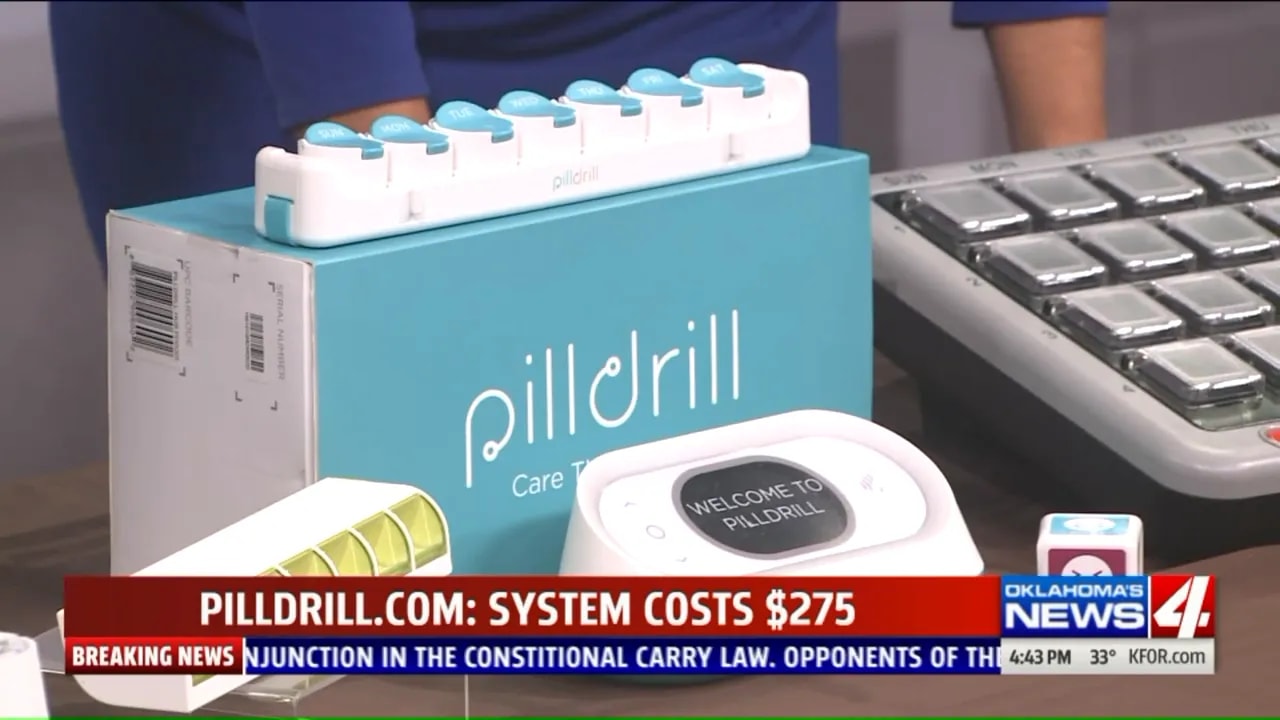
Hub-based systems with caregiver notifications
Some smart systems use small medication containers along with a central hub. After taking a dose, the user interacts with the hub so the action is recorded.
These systems may also alert family members if:
-
A dose was taken
-
The wrong day’s dose was used
-
Additional status information was shared
One example includes a small “mood” device that lets a person report how they are feeling, which can be useful for relatives staying involved from a distance.
When an automated dispenser makes more sense
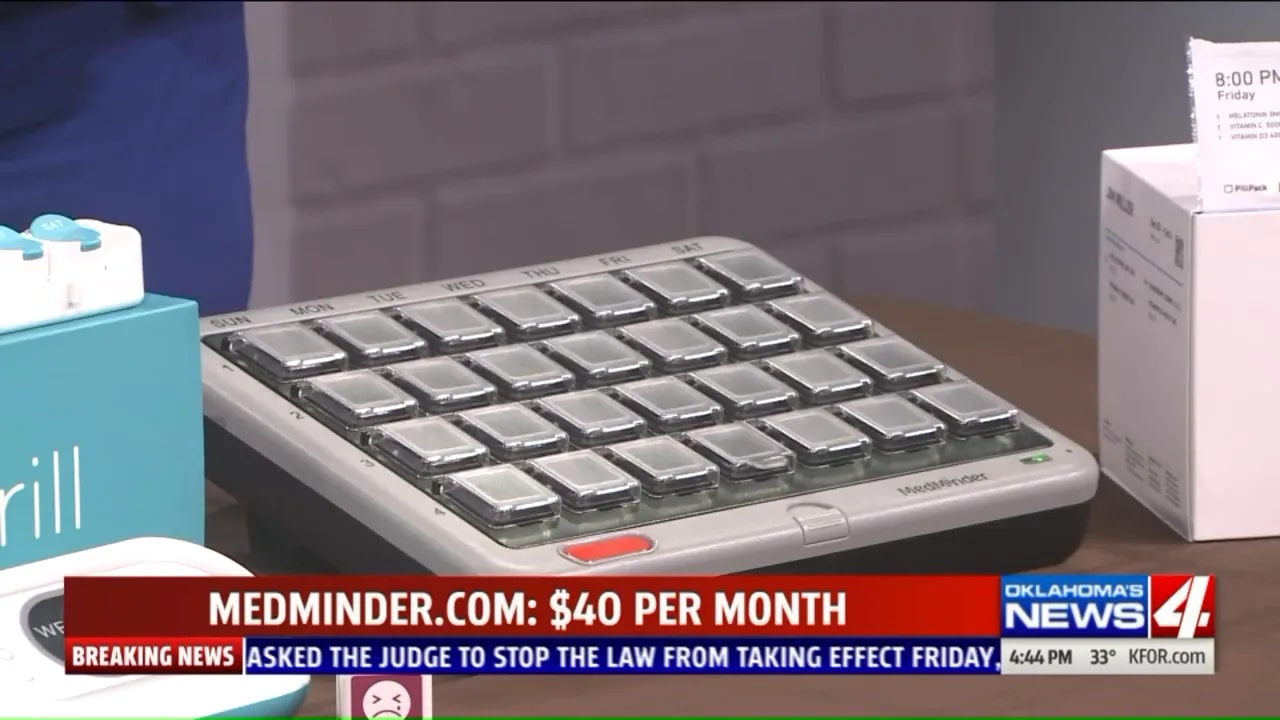
For someone who regularly misses doses, needs a more structured routine, or lives alone, an automated dispenser may be the better choice.
A stronger medication management device can:
-
Flash and beep when it is time for medication
-
Call the user if the dose is not taken
-
Alert loved ones if the missed dose continues
This kind of system is designed for situations where a reminder alone is not enough.
Another practical benefit is connectivity. Some models require home Wi-Fi, but others operate on a cellular network and only need to be plugged into the wall. That can be a major advantage for households without reliable internet or for users who are not comfortable with setup.
Single-dose packaging can simplify everything
One of the easiest ways to reduce medication errors is to stop dealing with multiple pill bottles at home.
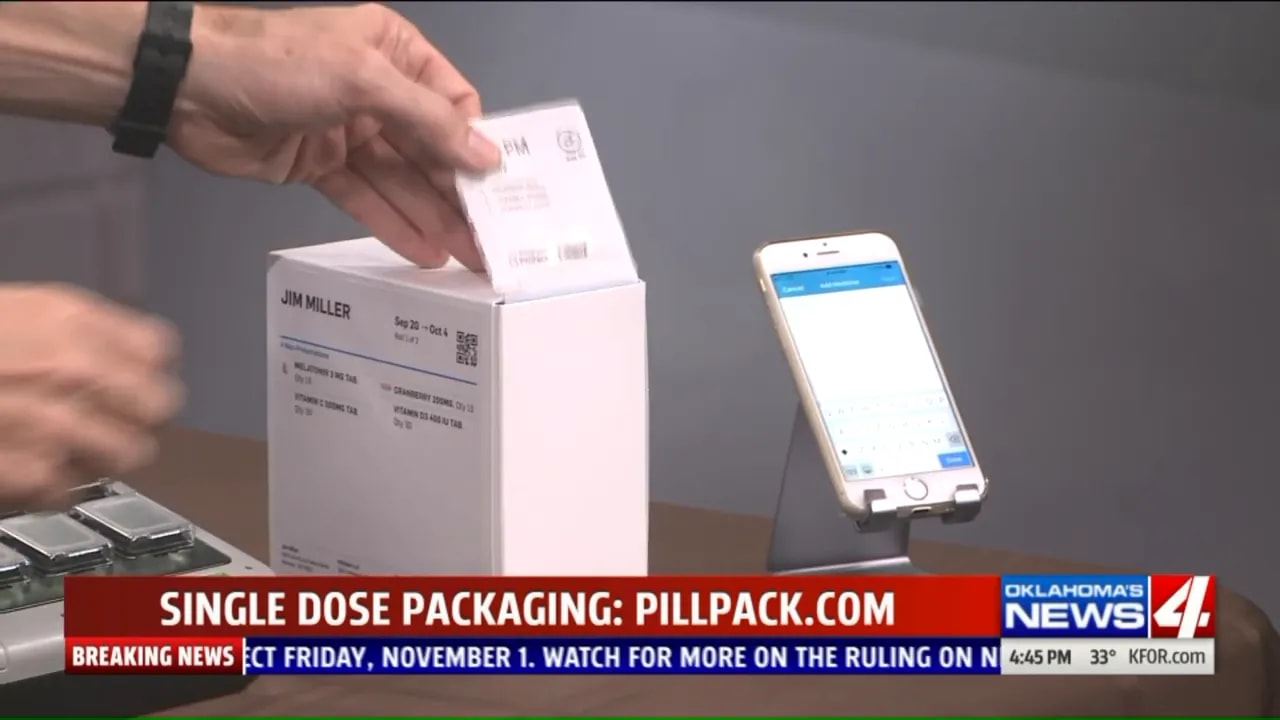
Single-dose packaging combines prescription medications, over-the-counter products, vitamins, and supplements into individual packets labeled with the date and time they should be taken.
Instead of sorting pills into boxes, the person simply tears off the next packet when it is time.
This approach can help with:
-
Reducing clutter from pill bottles
-
Avoiding home sorting mistakes
-
Keeping doses clearly labeled by schedule
-
Making travel and daily routines easier
An online pharmacy may offer this service without an added fee.
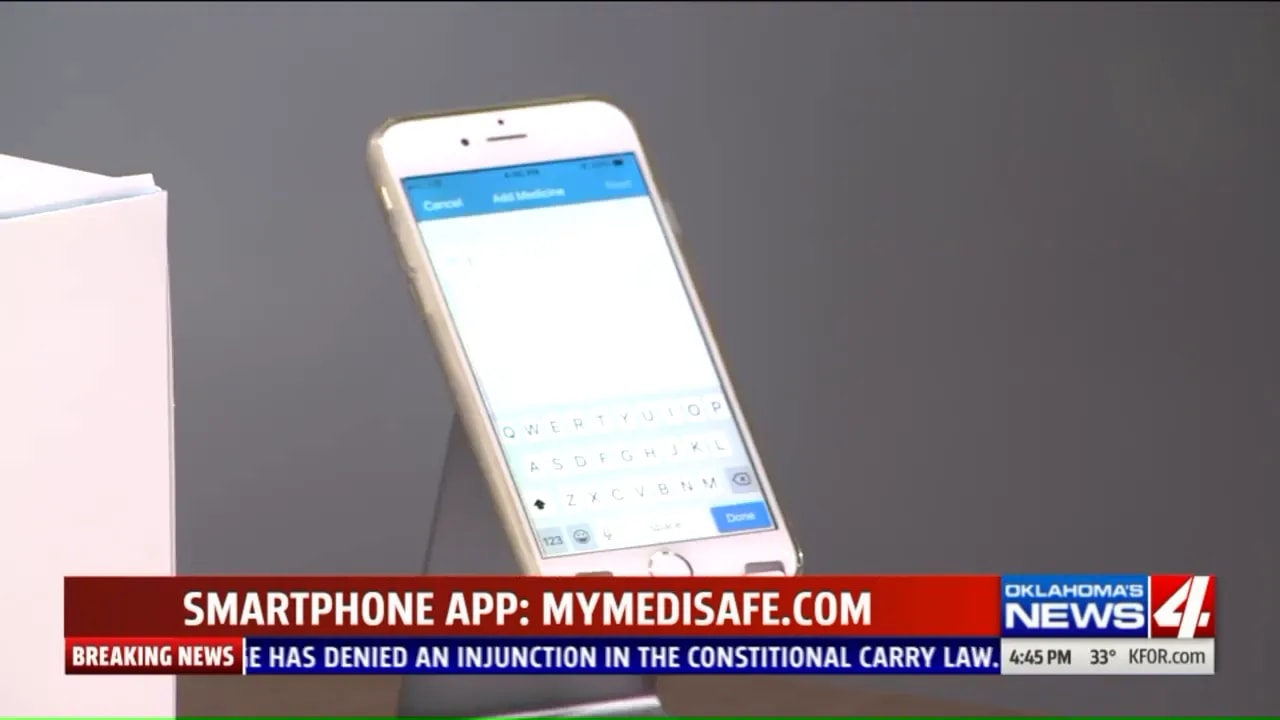
Medication reminder apps for seniors who use smartphones
If the older adult is comfortable with a phone, a medication reminder app can be an effective low-cost option.
A good app can help with:
-
Entering and organizing medications
-
Scheduling reminders for exact times
-
Marking a dose as taken
-
Sending alerts to family members or caregivers when a dose is missed
This can work especially well for people who already check their phone regularly and do not want another dedicated device on the counter.
How to choose the right medication management system
Ask these questions before buying anything:
1. Does the person need reminders only, or active monitoring too?
If reminders are enough, a watch, app, timer cap, or simple pillbox may work. If someone else needs confirmation, choose a connected system with notifications.
2. Can they use a smartphone comfortably?
Some smart pillboxes depend on Bluetooth and a smartphone data plan. If that is a barrier, a stand-alone dispenser may be easier.
3. Is internet access reliable?
Some devices need home Wi-Fi. Others use a cellular connection and can work without any home network setup.
4. How complex is the medication schedule?
More medications and more dosing times usually mean a stronger need for packaging, automation, or caregiver alerts.
5. Is the biggest risk missing doses or taking them twice?
If repeat dosing is the concern, timer caps and systems that log last access can be especially helpful.
Common mistakes to avoid
-
Choosing a system that is too complicated. If setup is difficult, it may not be used consistently.
-
Assuming every smart device works on its own. Some require a smartphone, data plan, or Wi-Fi.
-
Ignoring caregiver communication. If family involvement matters, pick a system with notifications.
-
Keeping too many separate bottles in daily use. This increases the odds of confusion.
-
Using reminders without a way to confirm the dose happened. For some people, a simple alarm is not enough.
Best options by situation
For a mostly independent older adult
A reminder watch, timer cap, portable pill reminder, or smartphone app may be enough.
For someone managing several daily medications
A medication center, smart pillbox, or single-dose packaging can make routines much easier.
For families who want updates
Choose a smart pillbox or app that sends notifications to caregivers or relatives.
For higher-risk missed doses
An automated dispenser with escalating alerts is the better fit.
For someone who struggles with sorting pills
Single-dose packaging may be the simplest solution of all.
Quick checklist for helping aging parents manage medications
-
Make a complete list of prescriptions, over-the-counter medicines, vitamins, and supplements
-
Identify exactly when each dose needs to be taken
-
Decide whether reminders alone are enough
-
Choose between a pill organizer, smart system, dispenser, packaging service, or app
-
Check whether the system needs Wi-Fi, Bluetooth, or a smartphone data plan
-
Set up caregiver notifications if needed
-
Use a method that clearly shows whether a dose has already been taken
Bottom line
The safest medication system is the one that matches the person’s routine, comfort with technology, and level of support needed. Some older adults do well with a simple organizer and reminder. Others need connected tracking, automatic dispensing, or pre-sorted packets.
If missed or duplicated doses are becoming a problem, upgrading the medication routine can make everyday life safer and less stressful for both older adults and the people helping them.